


.png)




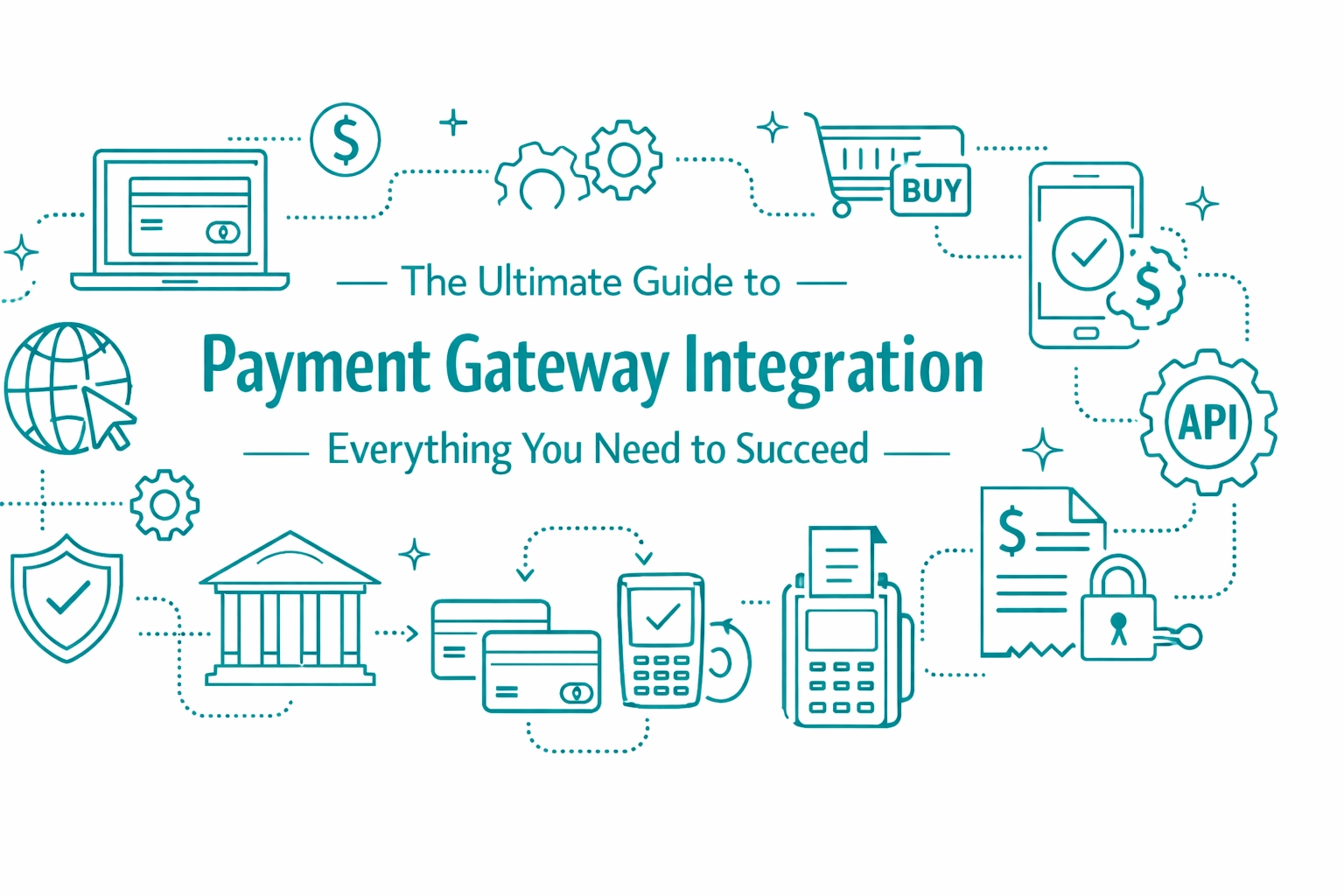
payment gateway integration service connects your application to authorization, capture, and settlement workflows. Use it to accept card payments securely, route transactions to the processor, and return real-time status to your application.
Select an integration approach that minimizes card-data exposure and supports your product requirements. Enforce PCI compliance controls from the start to reduce scope and avoid remediation work later.
Follow ISO standards and network messaging expectations where applicable. Validate message formats, error codes, and response handling before launch.
A payment gateway functions as a secure middleman. It encrypts sensitive credit card information and transmits it from the customer’s browser to the payment processor.
Without a reliable gateway, your system may be forced to handle sensitive payment data directly. That expands scope, increases operational risk, and complicates PCI compliance controls.
Use Integrate Payments to keep your integration aligned with secure processing patterns. Keep card data out of your environment whenever possible.
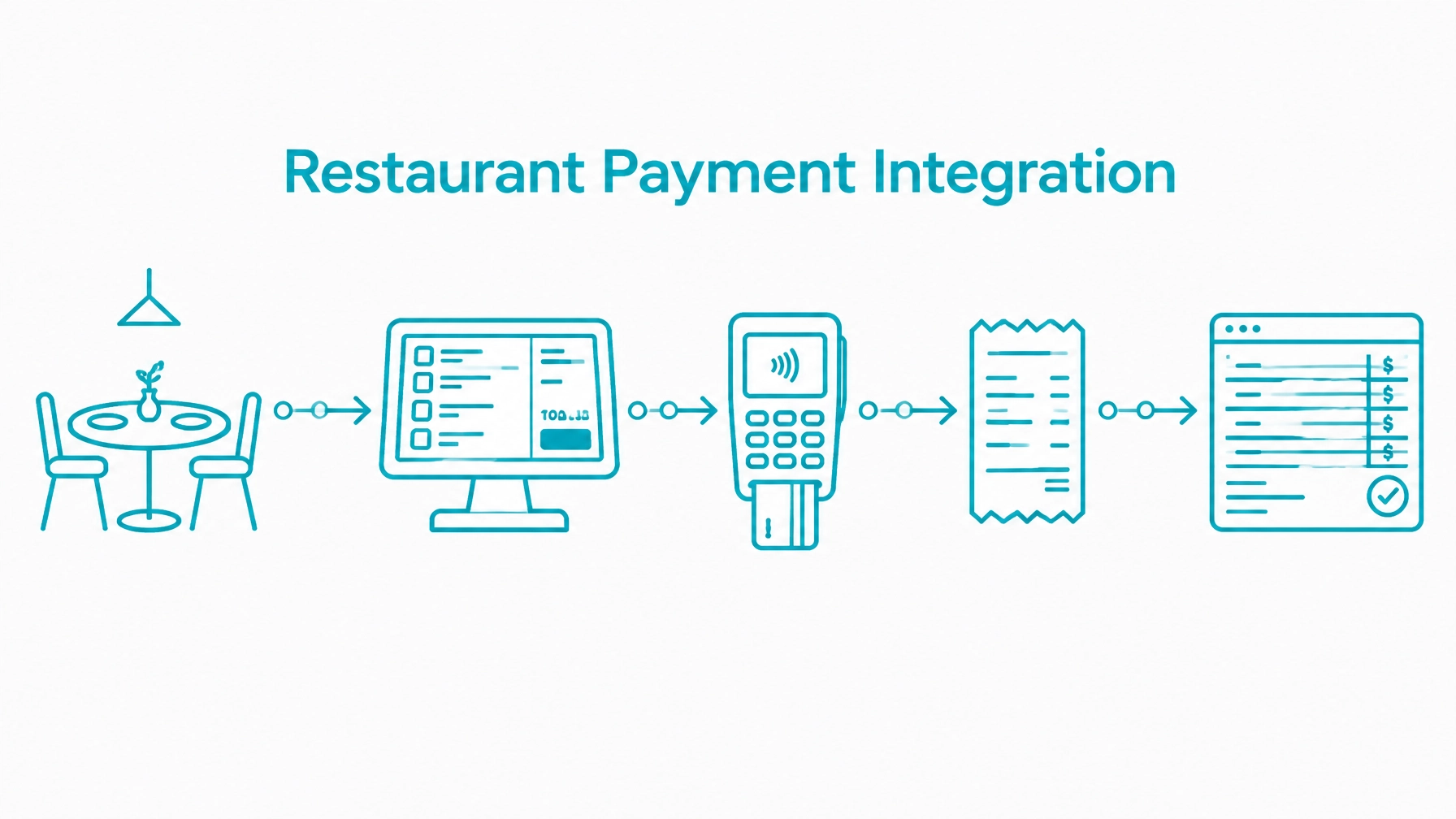
The process of how to integrate with a payment gateway starts with understanding the transaction flow. When a customer initiates a purchase, the following steps occur within seconds:
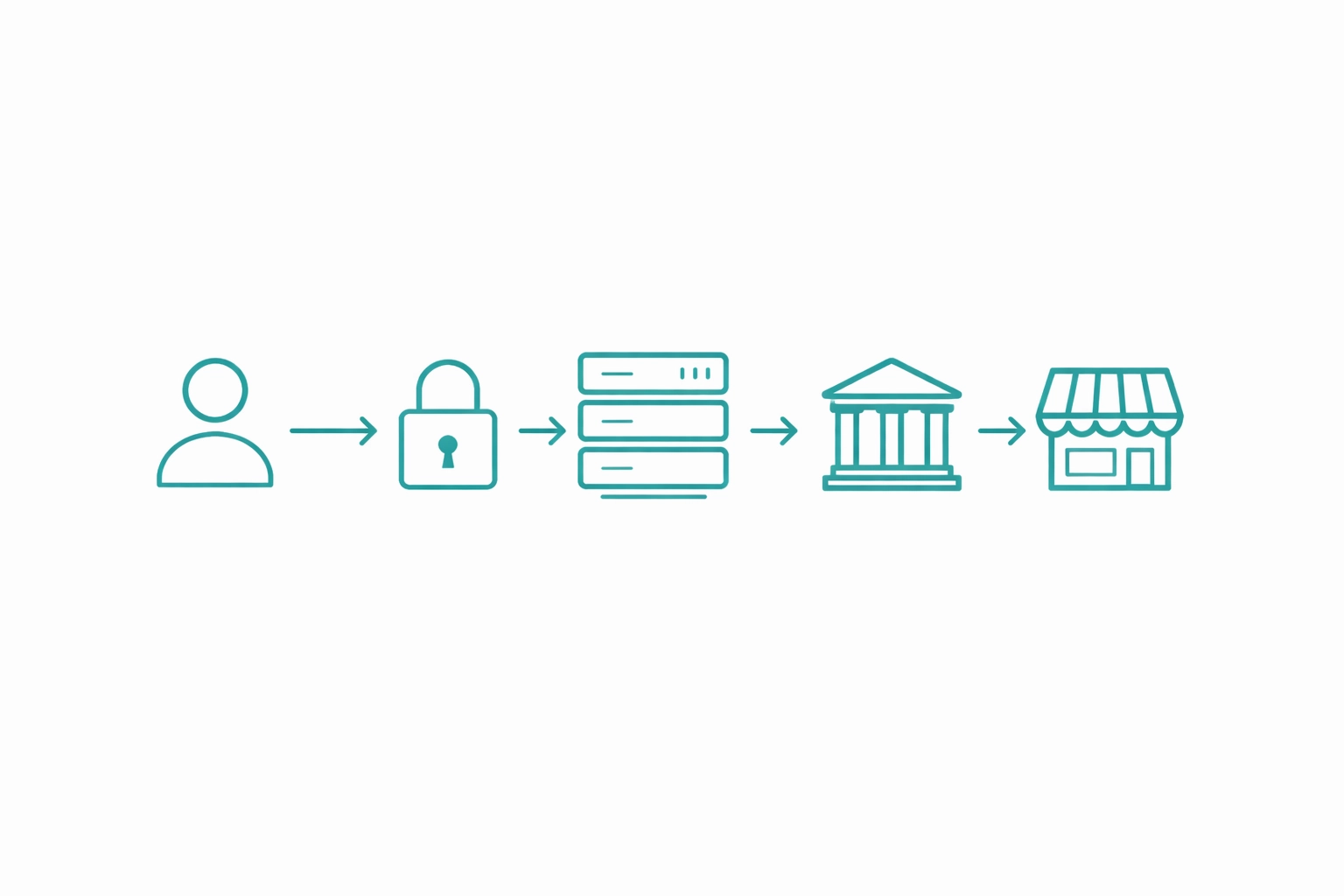
There is no one-size-fits-all approach to payment gateway integration. Your choice depends on your technical resources and the level of control you require over the user interface.
A hosted payment page redirects the customer to a secure site managed by the payment provider. This method is the fastest to implement and offers the highest level of security because the card data never touches your server.
This approach reduces development time and simplifies PCI compliance by keeping card entry off your servers. Validate redirect behavior and return URLs to avoid checkout drop-off.
For a seamless user experience, a direct payment platform integration using an API is preferred. This allows customers to enter their details directly on your website or app while the data is sent securely in the background.
Direct integration requires more development work but provides control over the checkout flow and UI logic. Use a secure payment gateway pattern to keep sensitive data out of your environment while preserving a branded experience.
Before writing your first line of code, gather the necessary business and technical requirements. Failure to plan can lead to security vulnerabilities or integration delays.
Determine which payment methods you must support, such as international cards, ACH transfers, or recurring billing. Evaluate your daily transaction volume and typical order value to ensure your chosen provider can handle your scale.
Ensure your website architecture is compatible with the gateway’s SDKs. Most modern gateways support RESTful APIs and offer libraries for languages like Python, Ruby, PHP, and JavaScript. If you are building for mobile, look for a provider that offers smartphone credit card processing solutions.
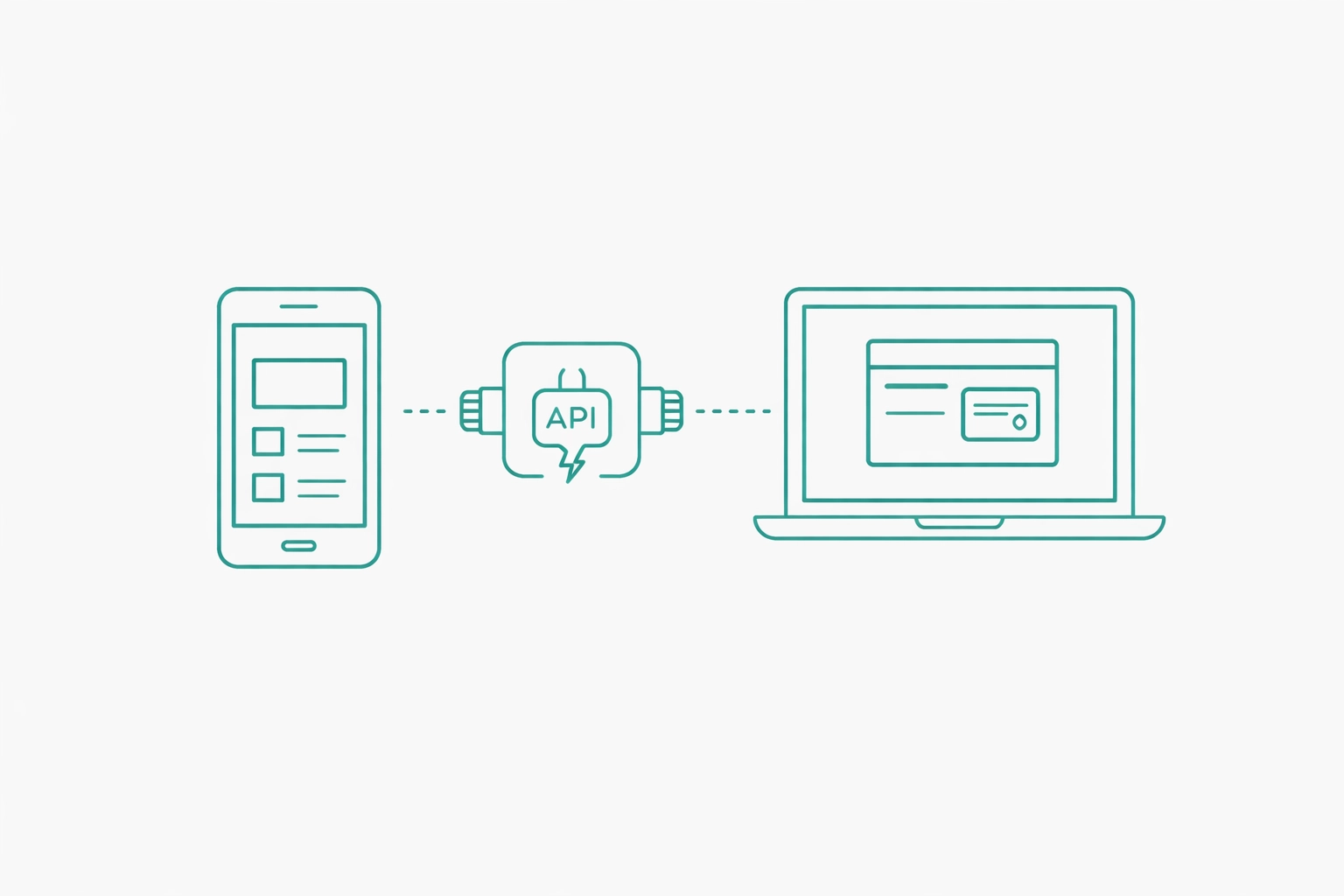
Follow these steps to successfully implement your payment gateway integration service.
You cannot process live transactions without a merchant account. This is a specialized bank account that holds funds from processed sales before they are settled into your business checking account. Complete the underwriting process with your provider to obtain your merchant ID.
Log into your gateway portal to generate your API keys. You will typically receive a public key for client-side operations and a private or secret key for server-to-server communication. Protect your secret keys and never expose them in client-side code.
Never validate payment logic in production. Use the payment gateway integration sandbox to simulate approvals, declines, and error conditions.
Log request/response IDs and map errors to actionable user messages. Keep test credentials isolated from production secrets.
To maximize security, use tokenization. This process replaces sensitive card data with a non-sensitive "token." Your system stores the token while the gateway stores the actual card data. This allows for features like recurring billing without the risk of storing raw credit card numbers on your local database.
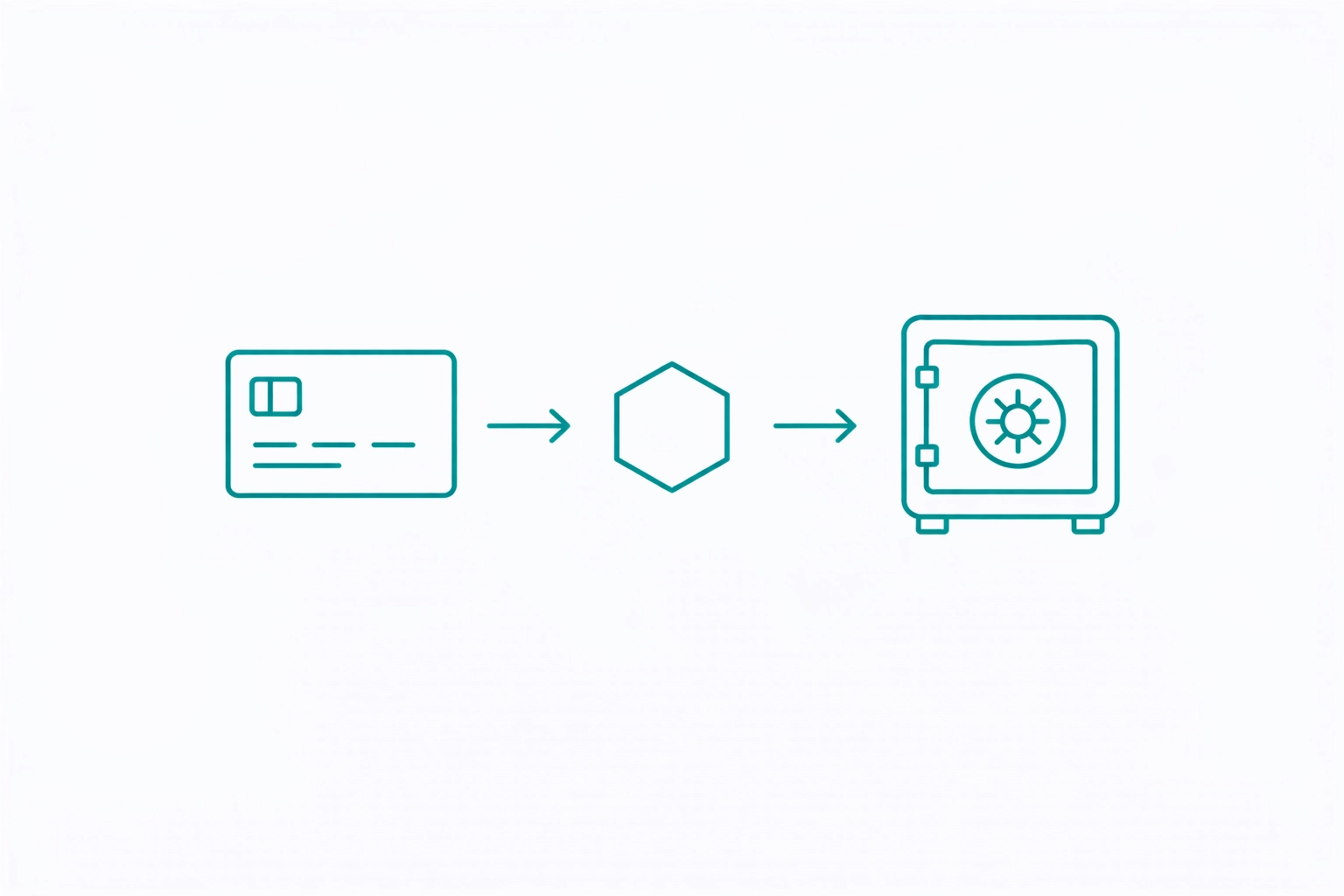
Once your basic payment gateway integration is functional, consider implementing advanced features to improve efficiency and reduce churn.
Credit cards expire or get replaced. An automatic account updater service communicates with card networks to refresh stored card details automatically. This prevents failed subscription payments and reduces manual outreach to customers.
For B2B businesses, integrating an online invoice generator allows you to send payment links directly to clients. This shortens the sales cycle and provides a professional payment experience for high-ticket transactions.
Modern businesses operate across multiple channels. Ensure your integration supports web browsers, mobile apps, and even physical point of sale terminal systems if you have a retail presence.
Align channel behavior, token strategy, and reporting to one integration surface. Use Omnichannel Payment Platform Integration to standardize flows across web, mobile, and in-person payments.
Testing is the most critical phase of payment platform integration. You must verify every possible path a user might take during checkout.
Verify the following scenarios in your sandbox environment:
Webhooks allow the gateway to communicate with your server asynchronously. Ensure your application correctly processes webhook events for successful payments, chargebacks, and subscription renewals. This ensures your database stays in sync with the gateway's state.
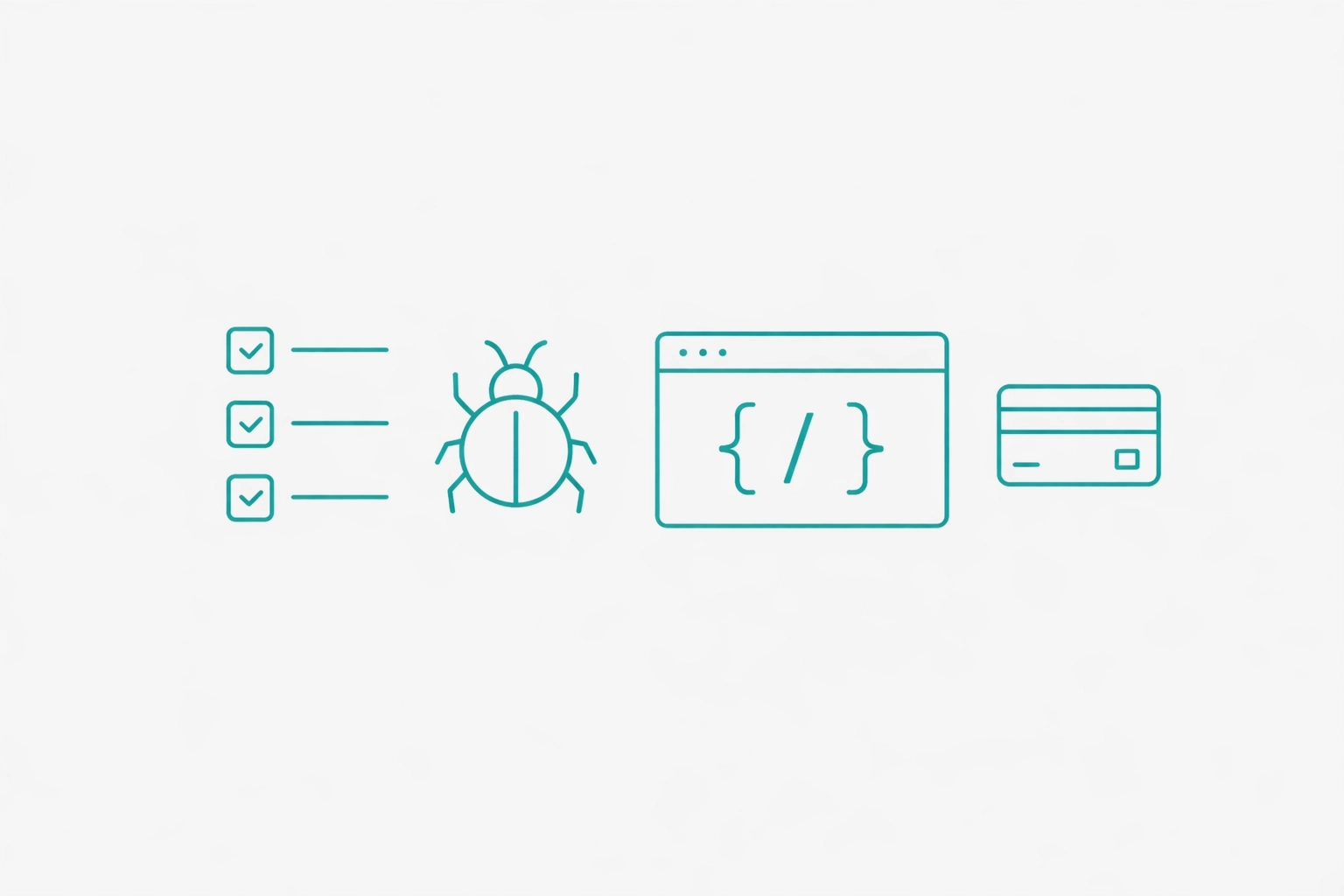
Security is non-negotiable in fintech. Your integration must adhere to the Payment Card Industry Data Security Standard (PCI DSS).
Use hosted fields or tokenized API calls to reduce card-data exposure and qualify for a simpler SAQ path. Keep storage and vaulting with a validated provider and document responsibilities for each system component.
Use gateway-native vaulting and a secure payment gateway to keep your environment out of scope where possible. Review logging, access control, and key management before launch.
Implement built-in fraud detection tools such as Address Verification Service (AVS) and Card Verification Value (CVV) checks. Advanced gateways also offer velocity checks and IP filtering to block suspicious activity before it becomes a chargeback.
Once testing is complete, switch your API keys from the sandbox to the production environment. Monitor your transaction logs closely during the first 48 hours of live operation.
Use your gateway’s reporting dashboard to track success rates and identify any friction points in the checkout process. High decline rates may indicate issues with your fraud settings or a need for better user input validation.
Understand your settlement schedule. Most payment gateway integration services offer next-day funding, ensuring your cash flow remains steady. Verify that funds are arriving in your business account as expected according to your merchant agreement.
Integrate Payments provides a developer-focused gateway designed to reduce integration time and operational risk. Use a consistent API surface to support web, mobile, and platform use cases with standard transaction controls.
Implement payment gateway integration with clear ownership of keys, logs, and webhook verification. Use a secure payment gateway pattern to reduce exposure and keep controls auditable.
Integrate Payments provides payment processing and gateway services subject to merchant approval and underwriting. Merchants are responsible for maintaining PCI DSS compliance and following all applicable card brand rules. Consult your qualified security assessor (QSA) or compliance provider for requirements specific to your environment.