


.png)




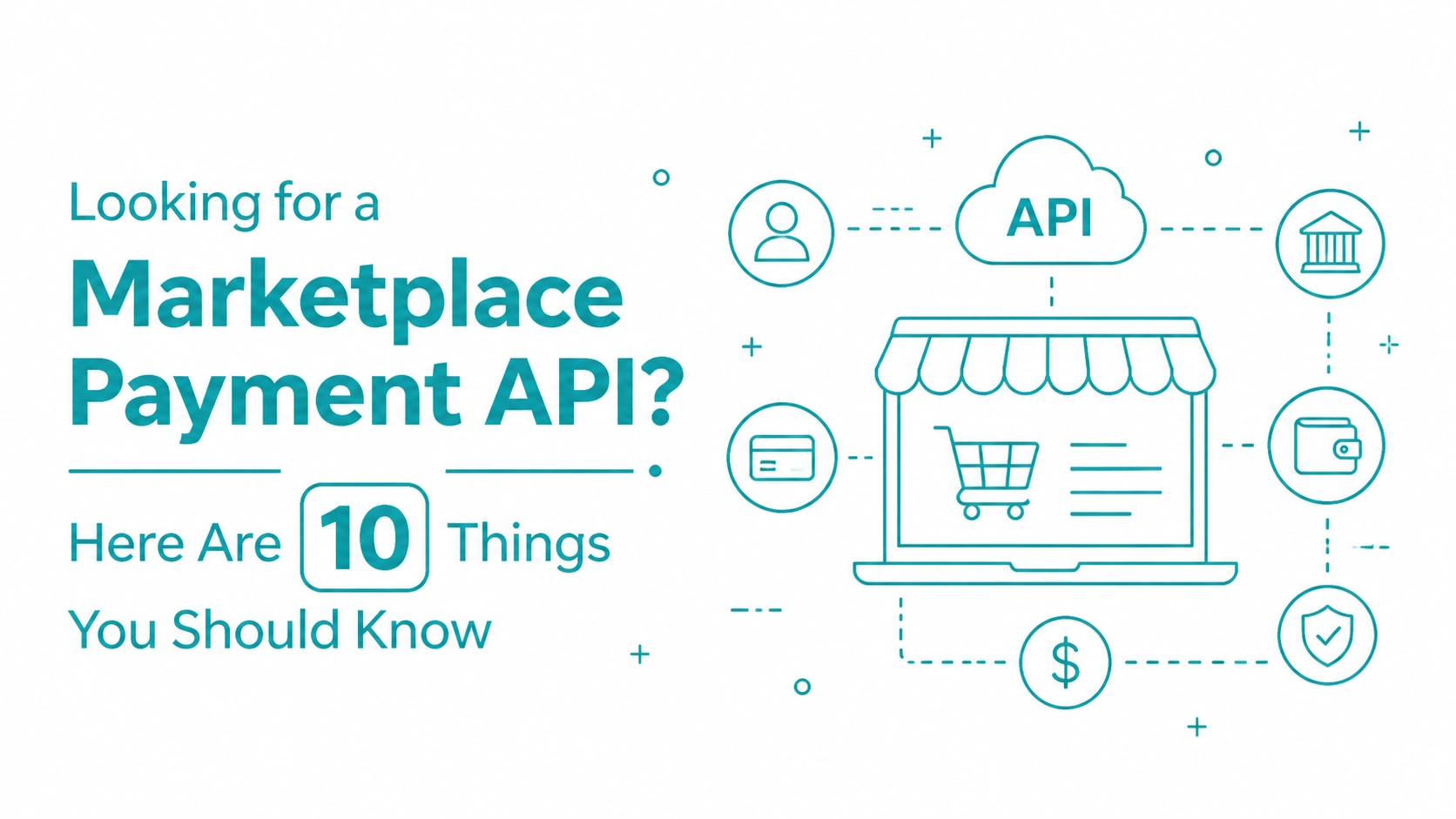
Marketplace business models require a sophisticated approach to transaction management. Unlike traditional e-commerce, platforms must manage funds between multiple buyers and sellers while collecting specific fees.
Choosing a marketplace payment API is a critical infrastructure decision for your platform. This guide outlines the essential technical and operational requirements for a successful deployment.
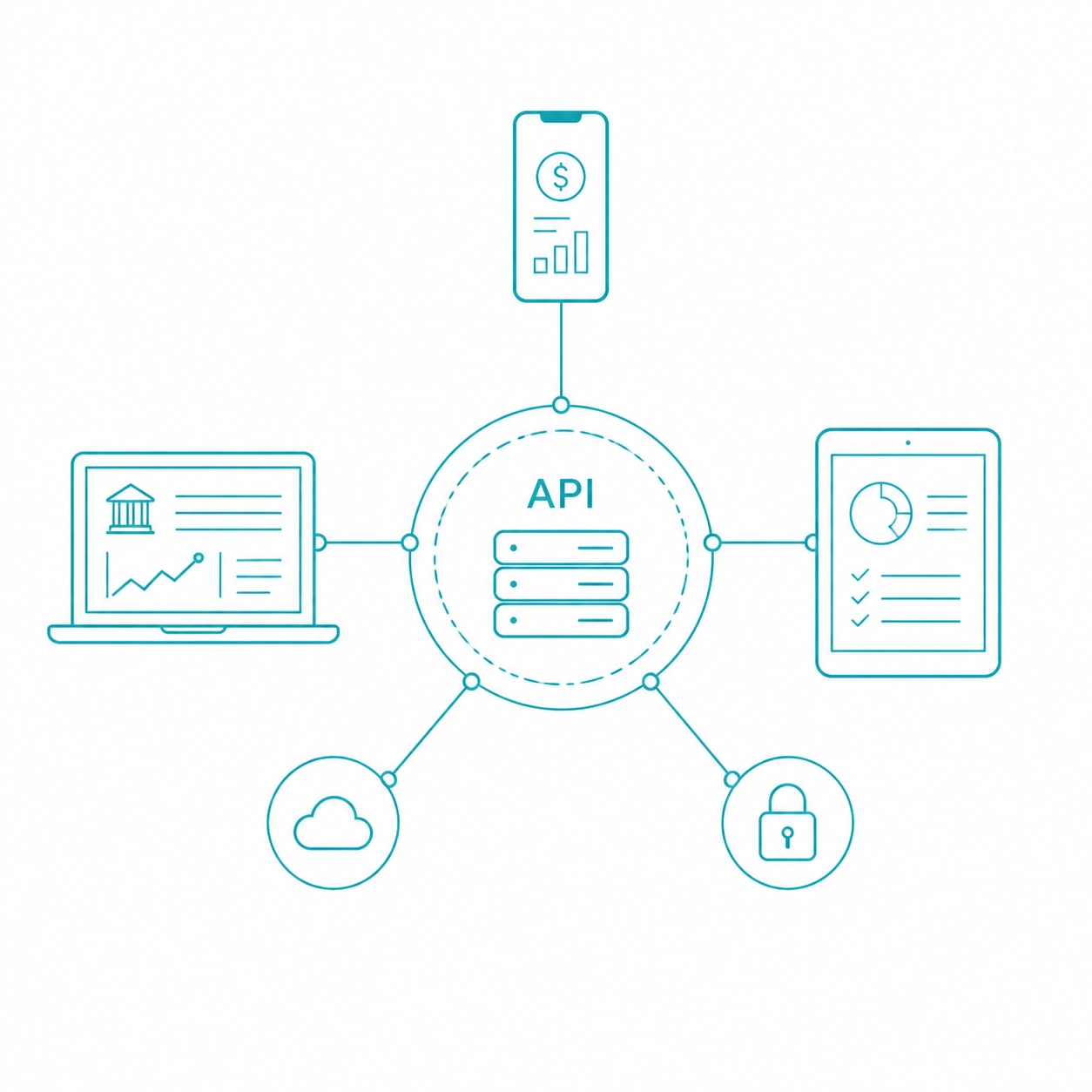
A modern marketplace payment API must utilize a RESTful architecture. This ensures that your developers can use standard HTTP methods to interact with the payment gateway efficiently.
REST APIs offer the scalability needed to handle high transaction volumes as your platform grows. Ensure the provider offers clear documentation for all endpoints, including authentication and error handling.
Integrating with a payment gateway integration that supports JSON ensures compatibility with most modern programming languages. This flexibility reduces development time and minimizes long-term maintenance costs.
Security is the foundation of any payment system. Use a marketplace payment API that utilizes tokenization to replace sensitive card data with non-sensitive identifiers.
Our Collect.js library allows you to build custom payment forms while keeping card data off your servers. This significantly reduces your security liability and simplifies the integration process for your front-end team.
By using tokenization, you ensure that your platform never touches raw credit card numbers. This approach is the most effective way to protect your business and your users from potential data breaches.
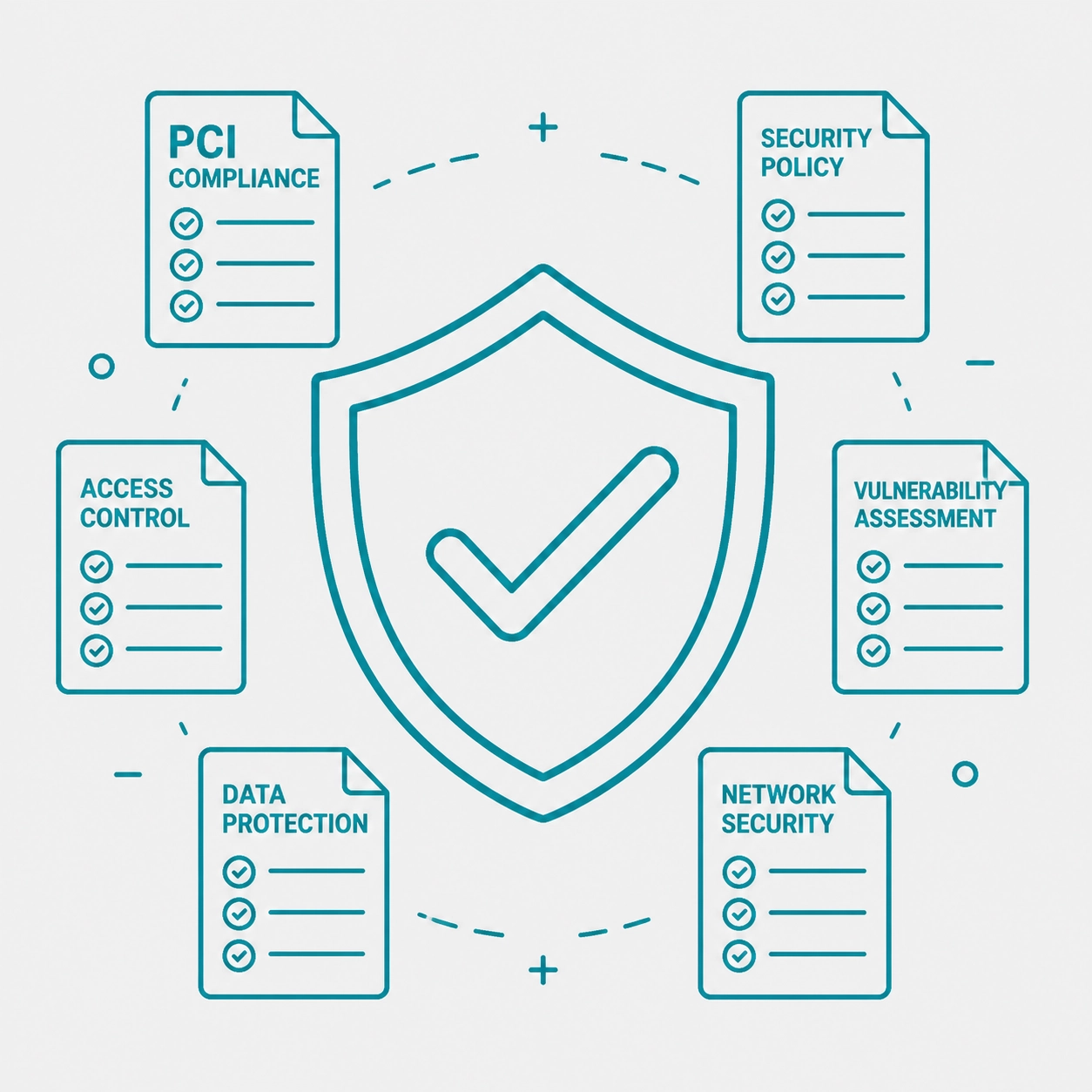
Navigating PCI compliance SAQ requirements is mandatory for any platform accepting digital payments. Your choice of API directly impacts which Self-Assessment Questionnaire (SAQ) you must complete.
Using a hosted payment field or tokenization method often allows you to qualify for SAQ A or SAQ A-EP. These are much shorter and less intrusive than the more complex SAQ D required for direct card handling.
Ensure your provider assists with the compliance process by providing secure infrastructure. Maintaining a high level of security builds trust with your sellers and protects your marketplace from financial penalties.
A marketplace payment API should include a Customer Vault for secure, long-term credit card storage. This feature allows you to store payment information for repeat buyers without storing the data locally.
The Customer Vault enables seamless "one-click" checkout experiences. Higher conversion rates are often the direct result of reducing friction during the payment process.
Your vault should also support multiple payment methods per customer profile. This flexibility allows users to manage their preferred payment options easily within your marketplace dashboard.
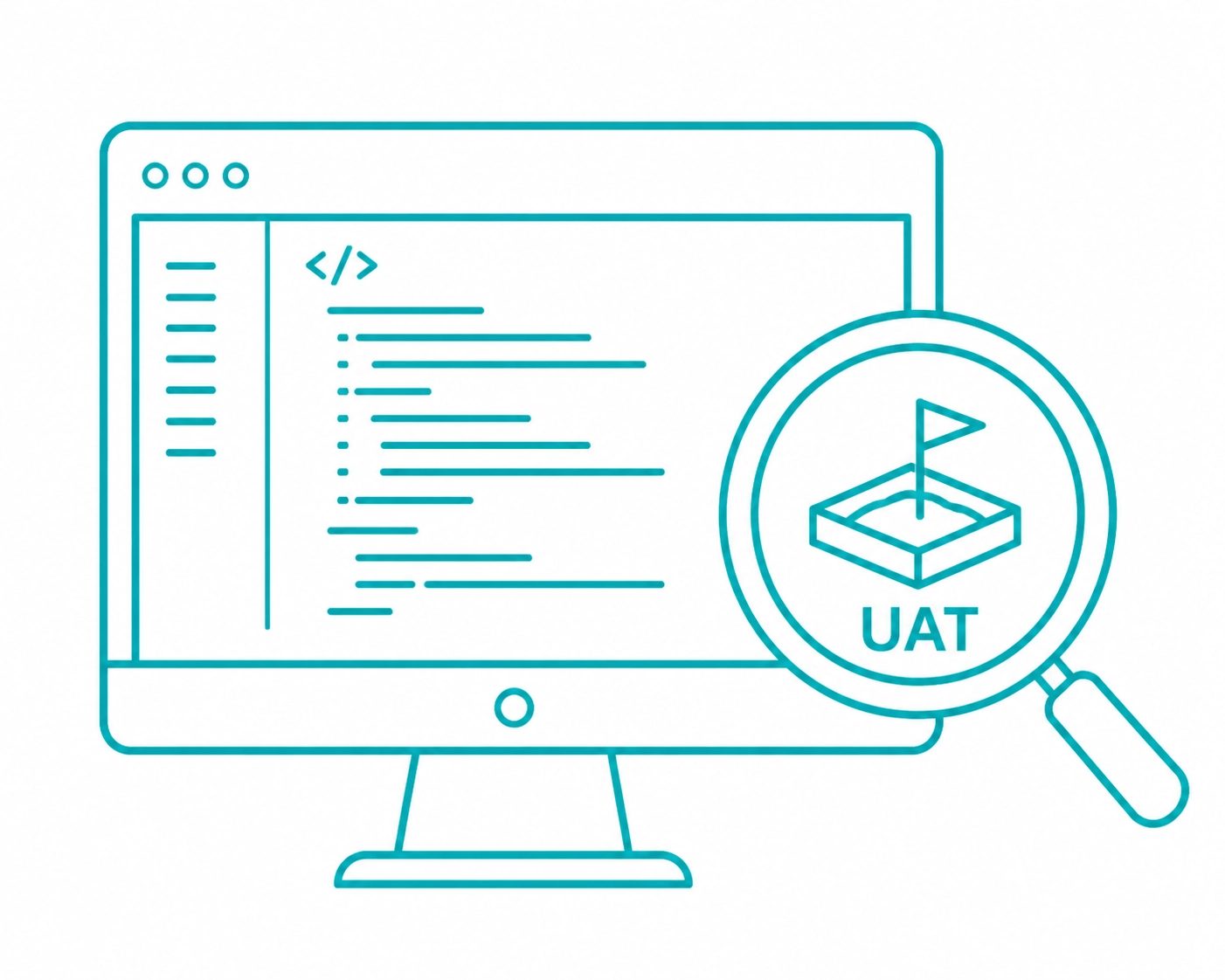
Never deploy payment code directly to a production environment. A marketplace payment API must provide a robust developer sandbox payment gateway for User Acceptance Testing (UAT).
The sandbox environment allows you to simulate various transaction scenarios, including successful payments, declines, and refunds. This ensures your logic for splitting payments works perfectly before real money is involved.
Testing in a sandbox environment is an essential part of the development lifecycle. It prevents costly errors and ensures a smooth experience for your first live users.
Many marketplaces rely on subscription models for their sellers or premium buyers. Your API should offer automated recurring billing features to manage these cycles.
Automating the billing process reduces administrative overhead and ensures consistent cash flow. Look for systems that allow for flexible billing intervals and tiered pricing structures.
The ability to pause, resume, or modify subscriptions via API is vital for customer support. This level of control allows your marketplace to adapt to the specific needs of your user base.
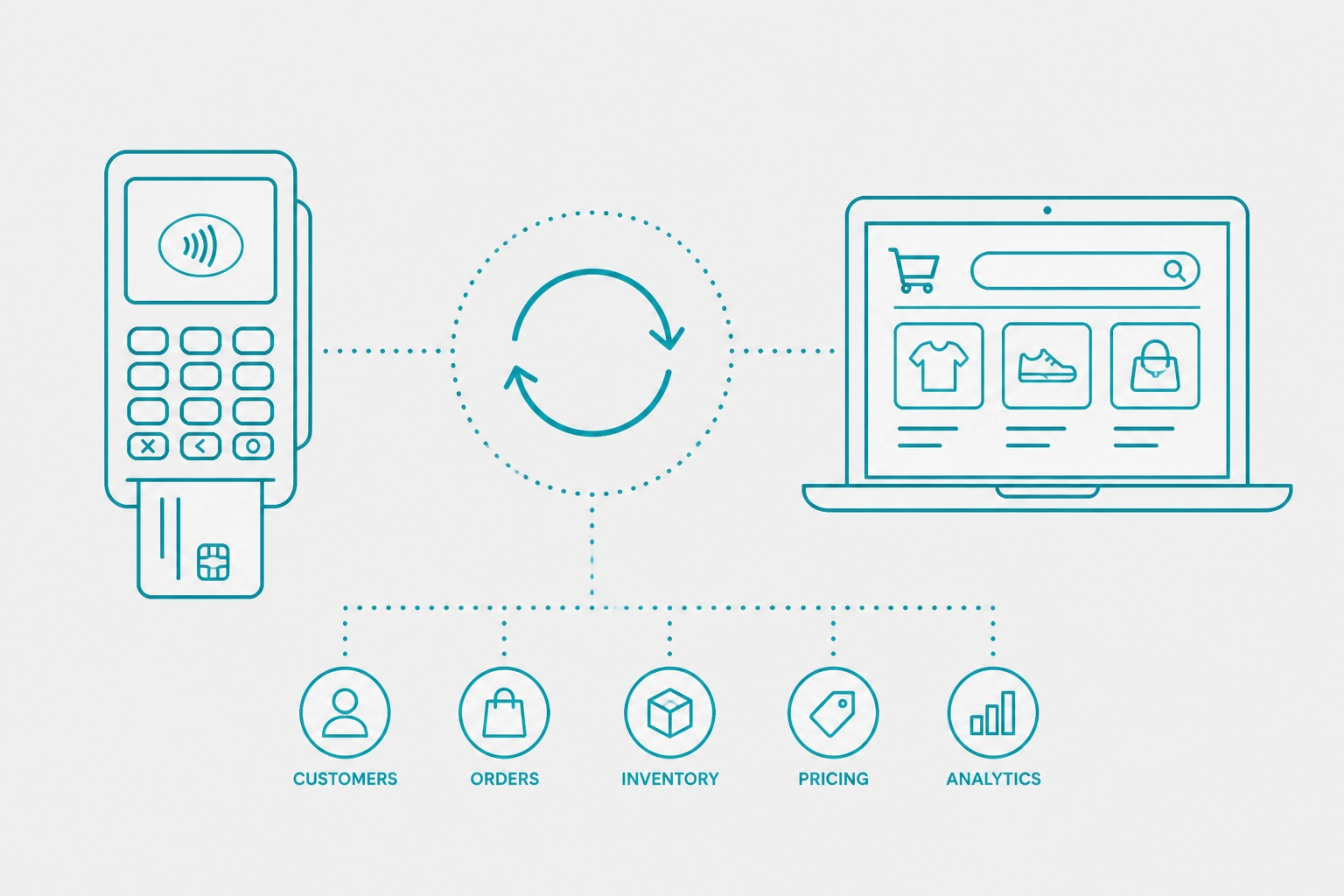
If your marketplace has a physical component, you need an omnichannel solution. This allows you to sync sales from mobile processing solutions and retail hardware with your online data.
A unified reporting dashboard provides a single source of truth for all financial transactions. Managing your digital and physical sales in one place simplifies accounting and inventory management.
Integrating with hardware like Ingenico EMV terminals ensures that your in-person transactions are just as secure as your online sales.
The defining feature of a marketplace payment API is the ability to split a single transaction into multiple payouts.
Your API must allow you to define exactly how much goes to the seller and how much remains with the platform as a commission. This logic should be programmable and triggered automatically at the time of sale.
Handling payouts efficiently is key to keeping your sellers satisfied. Look for systems that support automated payouts to bank accounts to minimize manual intervention.
Failed transactions due to expired or replaced cards are a major cause of churn. An automatic credit card account updater keeps your stored vault data current without user intervention.
This service communicates with card brands to update card numbers and expiration dates automatically. It is a critical feature for marketplaces that rely on recurring revenue or saved profiles.
Implementing an account updater increases transaction success rates and improves the user experience.
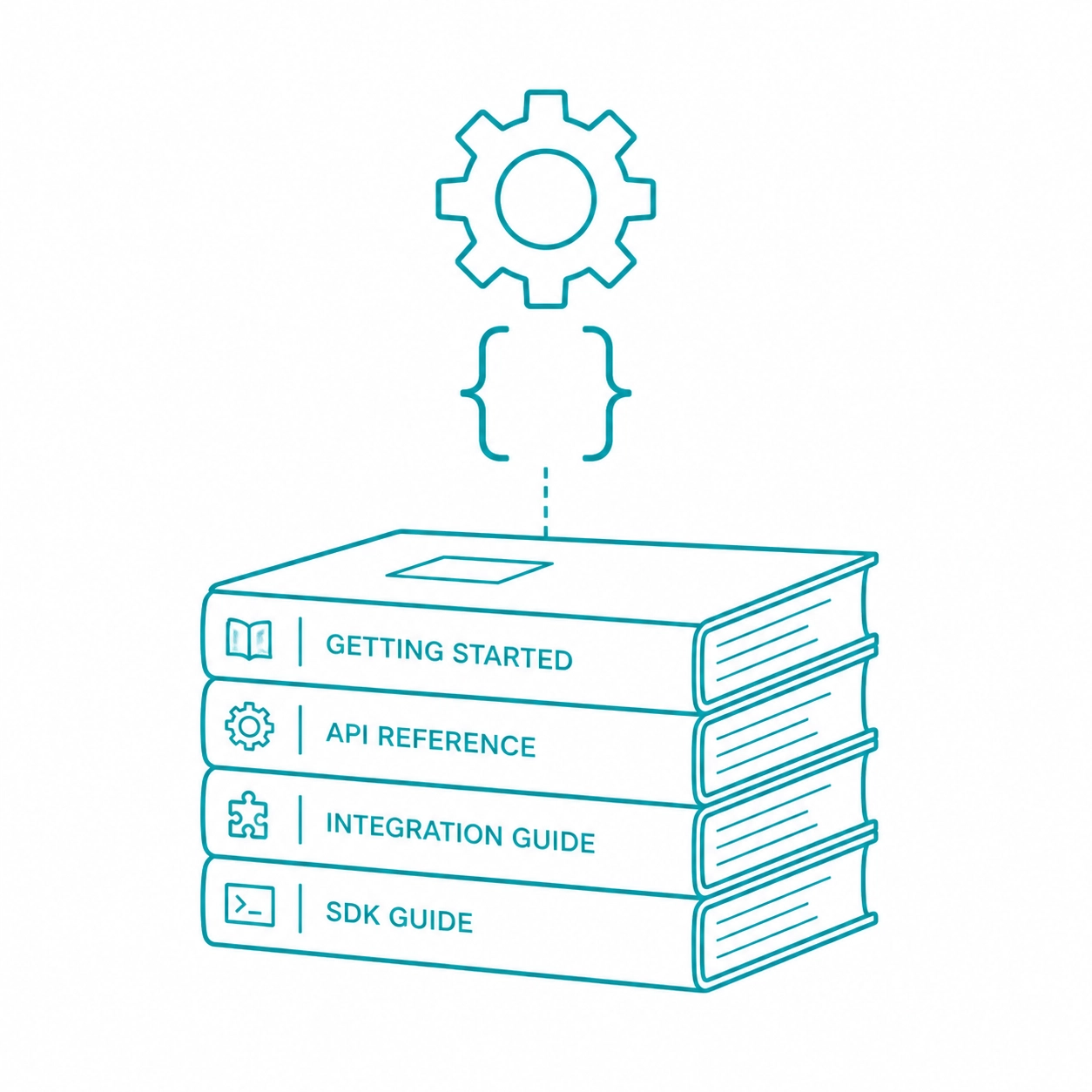
The quality of a marketplace payment API is often measured by its support for developers. This includes SDKs, sample code, and responsive technical support.
At Integrate Payments, we prioritize providing the tools needed for a fast and efficient how to integrate with payment gateway experience.
Access to comprehensive API logs and real-time error reporting allows your team to troubleshoot issues quickly. High-quality developer resources directly translate to a more stable and reliable marketplace platform.
Selecting the right marketplace payment API involves balancing technical capability with cost and compliance. Always review the gateway processor pricing to ensure the model aligns with your platform's margins.
Consider the long-term roadmap of your business. Whether you are building a restaurant management platform or a retail hub, your payment infrastructure must be able to scale with you.
For those looking to expand their business model, exploring a software reseller ISO program can provide additional revenue streams. Partnering with the right provider ensures you have the support needed for complex marketplace ecosystems.
Integrate Payments provides the infrastructure and expertise required to launch and scale complex marketplaces. Contact our team today to discuss your specific integration requirements.