


.png)




Subscription models have become the standard for modern software delivery. Moving from one-time transactions to recurring revenue provides businesses with predictable cash flow and increased valuation.
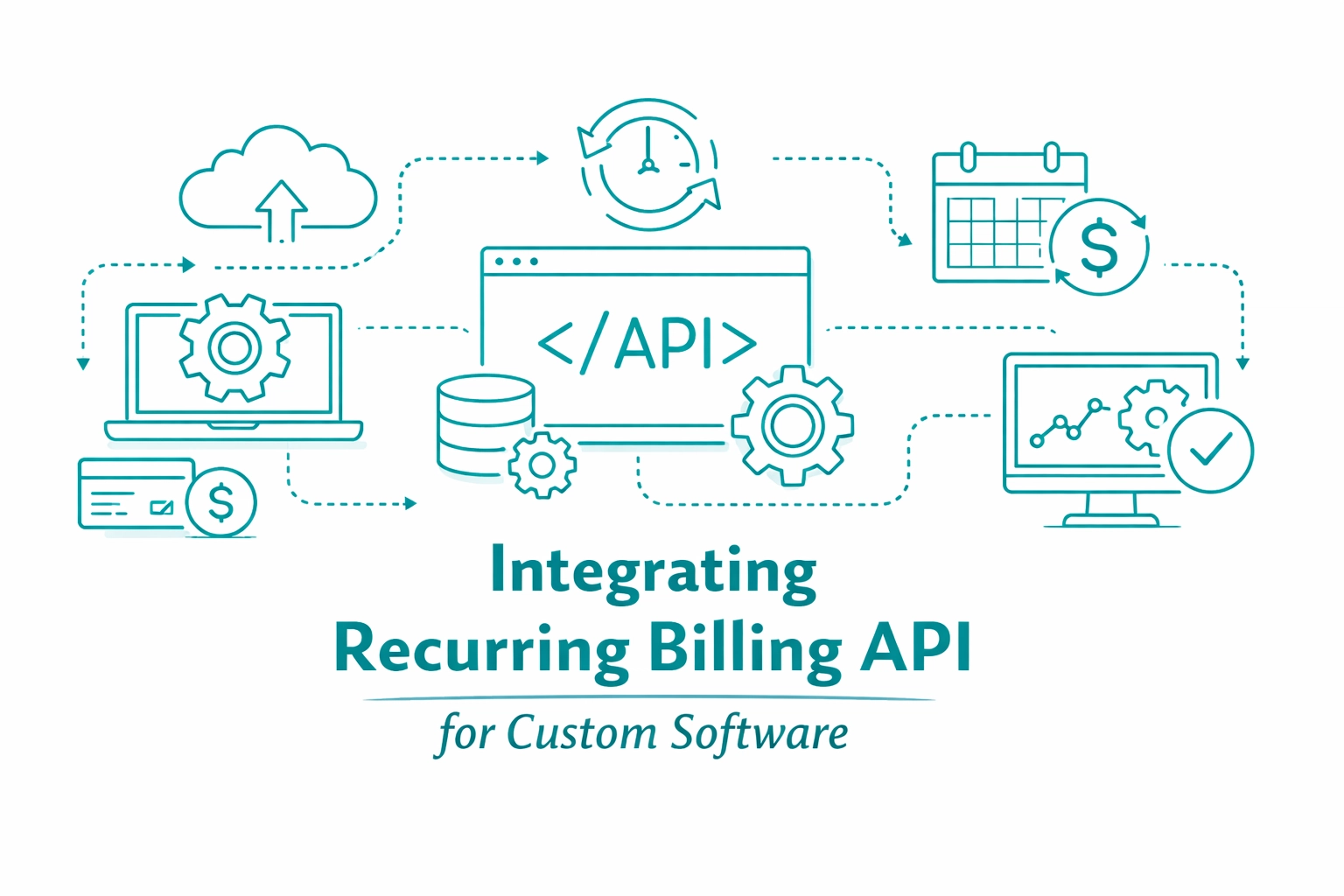
Implementing a recurring billing api allows developers to automate the entire payment lifecycle. This automation removes the need for manual invoicing and collection, which often leads to human error and lost revenue.
Integrate Payments provides the infrastructure necessary to scale these operations. By utilizing a robust API, businesses can focus on product development rather than the complexities of financial logistics.

The fundamental logic of a recurring billing system revolves around the relationship between the customer, the payment method, and the billing plan. A developer must define these entities within the gateway to ensure accurate processing.
A billing plan acts as a template for the subscription. It defines the amount to be charged, the frequency of the billing cycle (weekly, monthly, annually), and the duration of the agreement.
When a customer signs up, the software associates their profile with a specific plan. The API then handles the scheduling of future transactions based on the parameters defined in that plan.
Modern SaaS applications often require complex pricing structures. This includes tiered pricing based on usage, per-user seat licensing, or flat-fee subscriptions with optional add-ons.
The integration must support these variations through flexible API calls. Developers can programmatically update subscription tiers as a user's needs change within the application.
Using a professional payment gateway integration ensures that these plan changes are reflected instantly in the billing cycle. This prevents overcharging or undercharging during transition periods.
Beyond the base subscription, many platforms need to process auxiliary fees. These could include implementation costs, overage charges, or physical hardware purchases.
The API logic should allow for "one-time" invoice items to be injected into the next scheduled billing event. This consolidates all charges into a single transaction for the customer, reducing credit card processing fees for the merchant.
Integrating these capabilities directly into custom software creates a seamless user experience. Customers can manage their entire financial relationship with the brand through a single dashboard.
A successful integration requires more than just an API key. It involves a coordinated effort between the client-side UI, the server-side logic, and the payment gateway's secure environment.
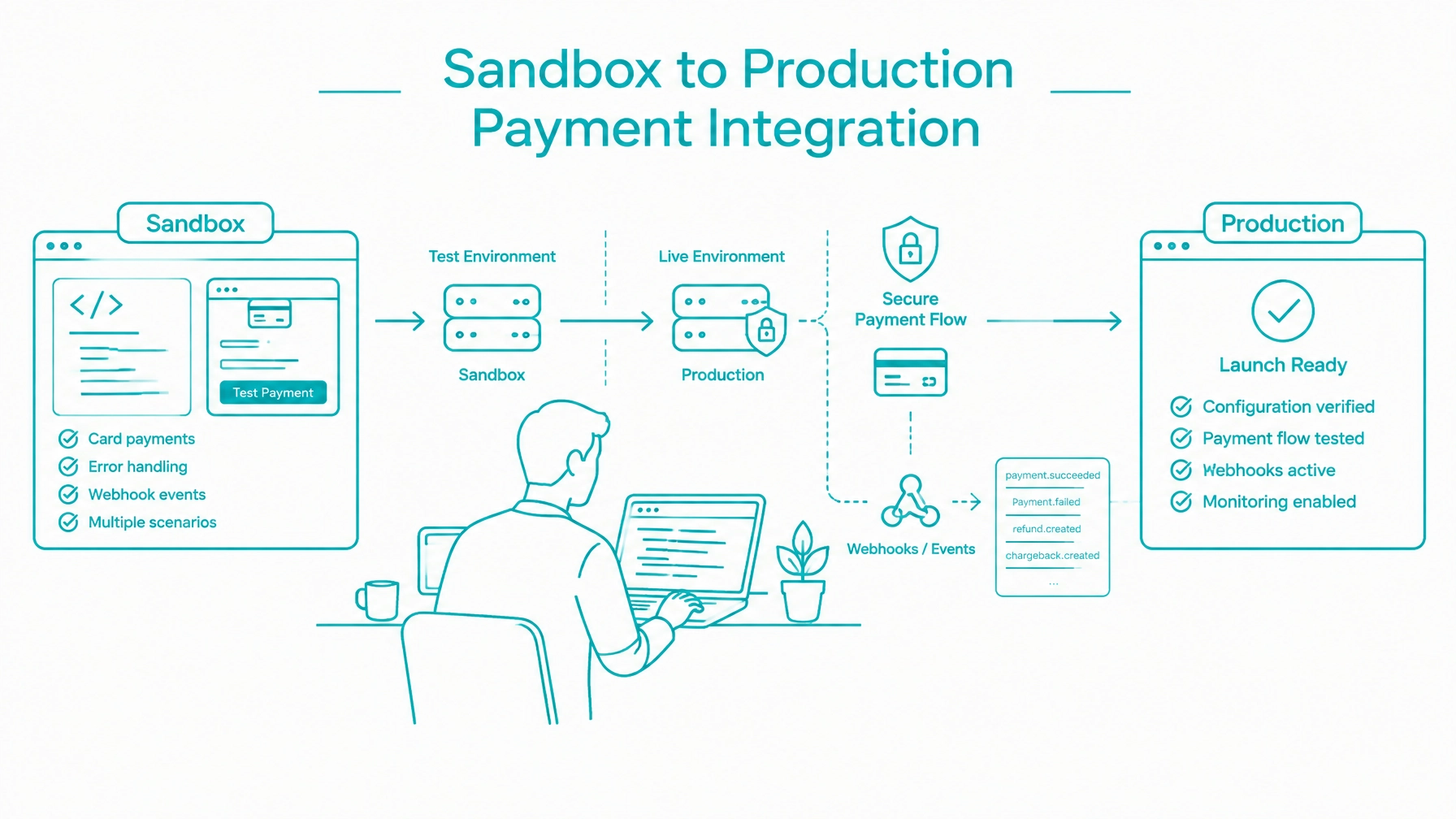
Developers should utilize a developer sandbox to test all logic flows before going live. This environment allows for the simulation of successful payments, declined cards, and expired tokens without risking real capital.
Integrate Payments offers a comprehensive testing suite. This ensures that the custom code handles every possible response code from the gateway correctly.
Security is the most critical aspect of any fintech integration. Storing raw credit card data on a local server is a significant liability and a violation of industry standards.
Tokenization solves this by replacing sensitive data with a unique, non-sensitive identifier called a token. This token is used for all subsequent recurring transactions.
The customer vault stores the actual card data within the secure Integrate Payments environment. Your software only stores the token, which drastically reduces your liability and simplifies the audit process.
A recurring billing system is event-driven. Your software needs to know when a payment succeeds, when a card is declined, or when a subscription is canceled.
Webhooks are the primary mechanism for this communication. The gateway sends an HTTP POST request to a pre-defined URL on your server whenever a billing event occurs.
Your application can then trigger internal workflows based on these notifications. For example, a "payment_failed" event might automatically restrict access to the software until the user updates their billing information.
All businesses that process credit cards must adhere to the Payment Card Industry Data Security Standard (PCI DSS). For custom software, this often involves maintaining a secure network and regularly testing security systems.
By using an integrated API that handles sensitive data through hosted fields or transparent redirects, you can reduce your PCI compliance scope. This saves time and money during the annual certification process.
Integrate Payments provides the tools necessary to stay compliant. Our infrastructure is designed to keep data secure while providing the flexibility developers need for custom builds.

One of the most effective ways to maintain security is through the use of hosted fields. These are small iFrames embedded in your checkout page that are served directly by the payment processor.
The user enters their card details into these fields, and the data never touches your server. The processor returns a token that your software then uses to create the subscription.
This method provides a fully customizable checkout experience. You maintain control over the look and feel of your site while the gateway handles the heavy lifting of data security.
Custom software often serves niche markets with specific billing requirements. A standard off-the-shelf solution may not provide the necessary granularity for these use cases.
For example, payment processing for platforms often requires split-funding or multi-party payouts. A robust API allows for these complex financial flows to be automated.
Whether you are building a property management system, a fitness club membership portal, or a B2B SaaS tool, a custom integration is the key to scalability. It allows the billing logic to grow alongside the business requirements.
Involuntary churn occurs when a subscription is canceled due to a failed payment, often caused by an expired card or insufficient funds. Dunning management is the process of recovering these failed transactions.
A professional recurring billing API includes automated dunning features. This includes smart retries, where the system attempts to process the card again at strategic intervals.
The system can also send automated emails to the customer. These notifications prompt the user to update their payment method before their service is interrupted, preserving the recurring revenue stream.
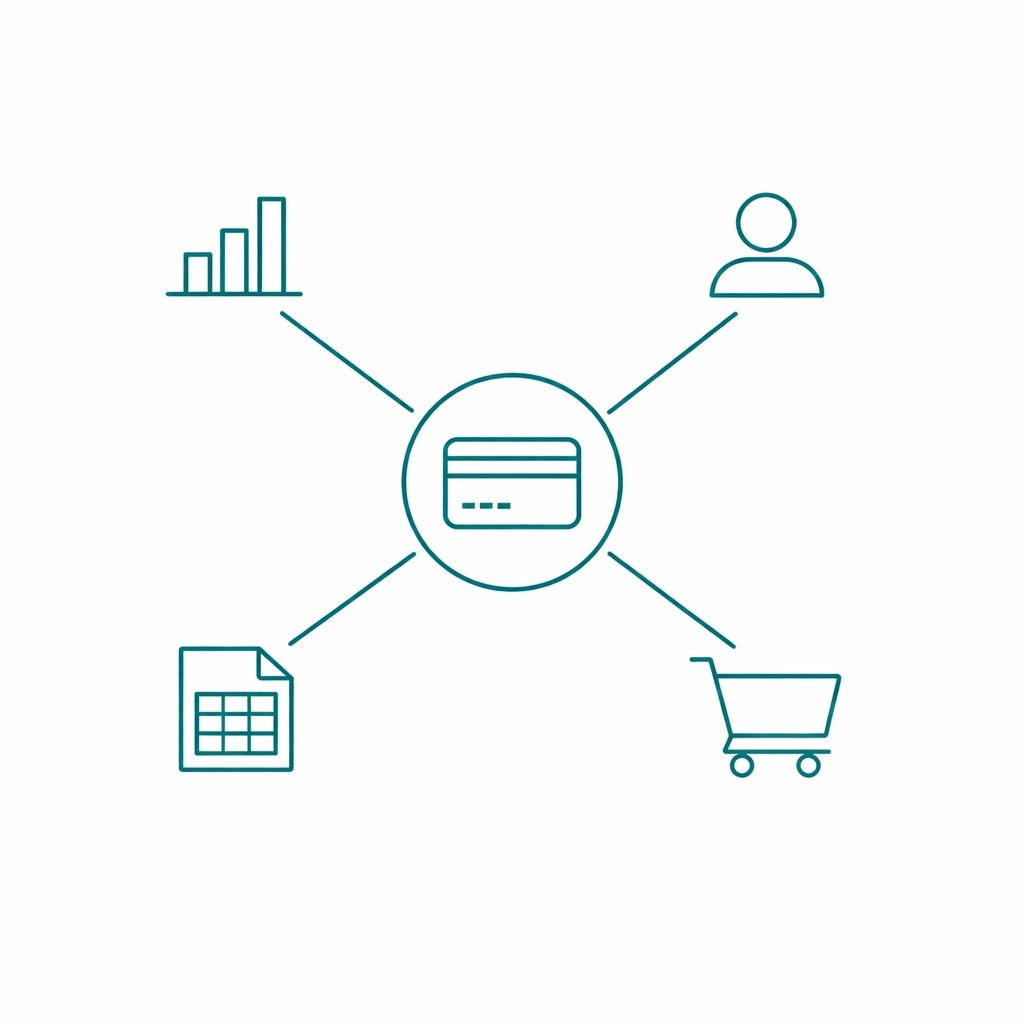
Custom software rarely exists in a vacuum. It often needs to communicate with accounting software, CRM systems, and marketing automation tools.
By using a centralized payment gateway, you can sync transaction data across your entire tech stack. This ensures that your financial records are always accurate and up to date.
Integrate Payments supports a wide range of integrations. This allows for a unified view of the customer, from the first marketing touchpoint to the most recent recurring payment.
Building a custom recurring billing solution requires a clear understanding of both the business logic and the technical requirements. Start by mapping out your subscription tiers and customer lifecycle.
Next, sign up for a merchant account that supports API-driven recurring billing. Focus on platforms that offer robust documentation and a dedicated sandbox environment.
Finally, implement the integration using secure tokenization and webhooks. This will ensure a scalable, secure, and automated revenue engine for your custom software or web application.
For more information on getting started, visit Integrate Payments to explore our developer resources and gateway solutions.