



.png)




Involuntary churn is the primary silent killer of subscription based revenue models. When a customer card expires, is reported lost, or replaced due to a data breach, the subsequent recurring transaction fails. For developers managing high volume platforms, manually reaching out to users for updated payment information is not a scalable solution. Integrating an Automatic Account Updater (AAU) allows your system to communicate directly with card networks to refresh credentials before the next billing cycle.
Integrate Payments provides a robust framework for handling these updates without interrupting the user experience. By leveraging the Automatic Account Updater service, developers can ensure that the customer vault remains accurate. This technology bridges the gap between the issuing bank and the merchant gateway, ensuring that "Card Not Present" transactions continue to process even when physical plastic is replaced.
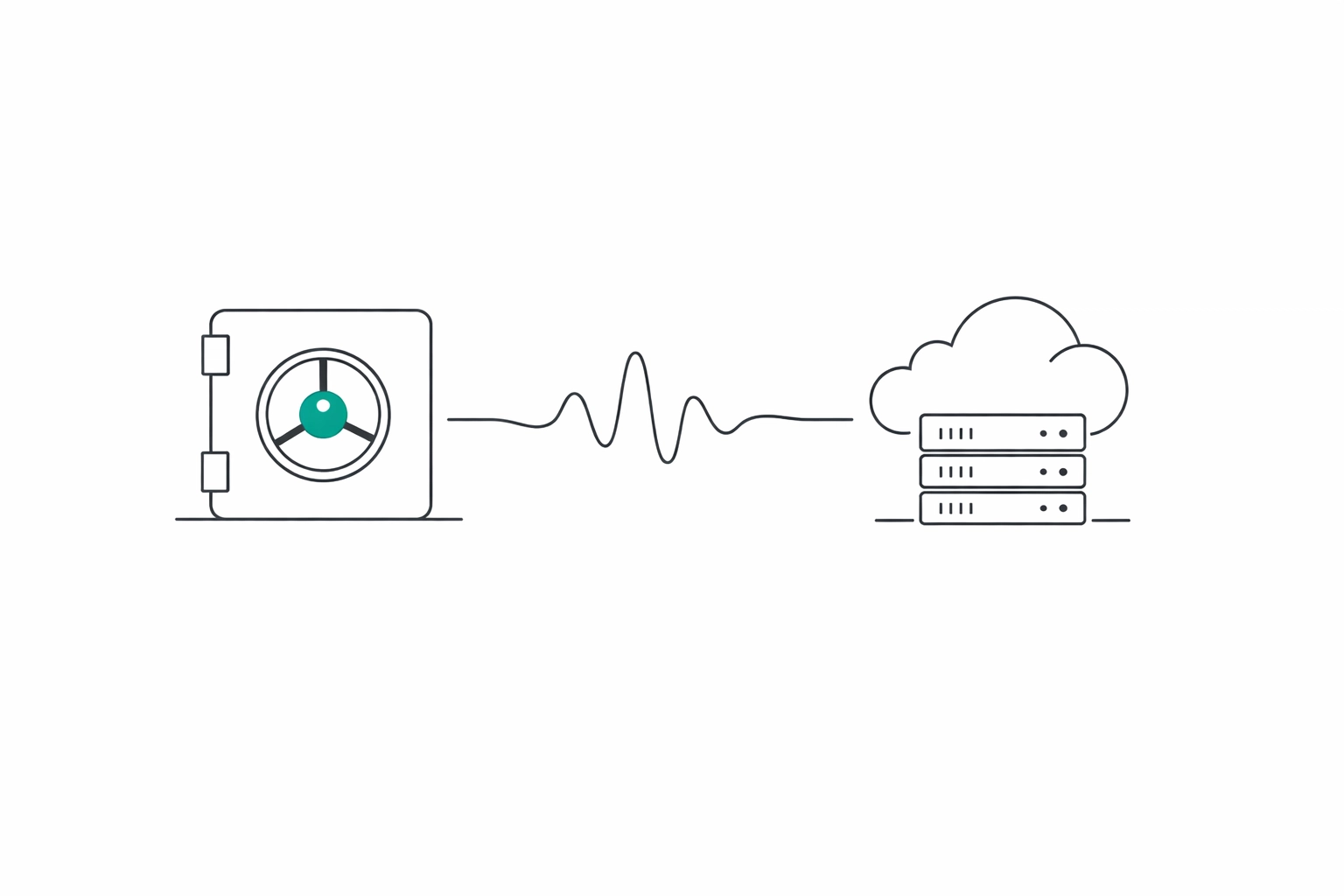
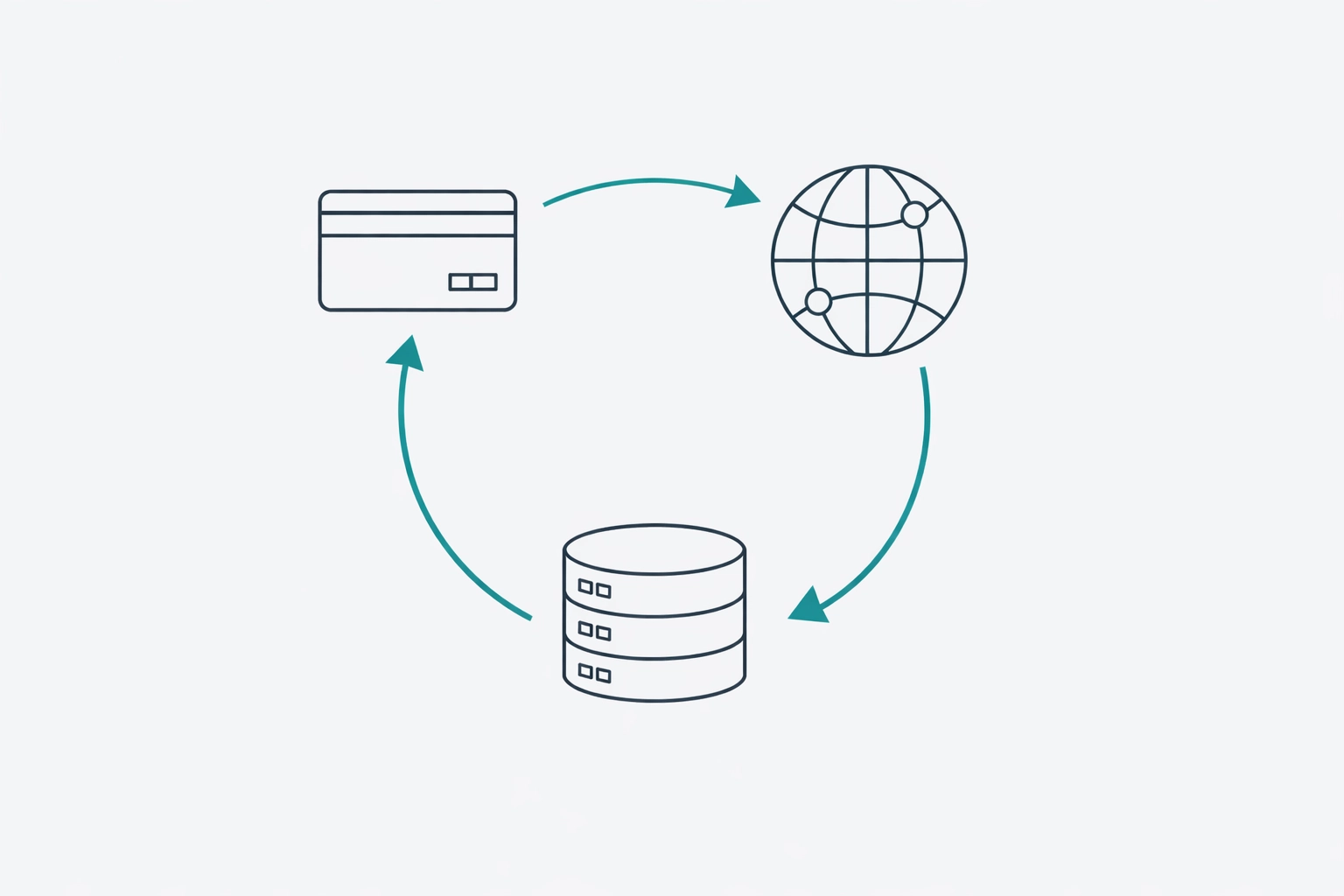
The technical logic behind an Account Updater service involves a multi-step exchange between the gateway and the global card networks. Most implementations rely on a batch-based or real-time query system. In a standard batch environment, the system identifies cards stored in the vault that are approaching their expiration date or have recently failed with specific decline codes.
These records are bundled into a request file and transmitted to Visa, Mastercard, and Discover. The networks verify the account status against their internal databases. If a replacement card has been issued, the network returns the new card number and expiration date to the Integrate Payments gateway. The gateway then automatically updates the tokenized record in your database, allowing the next recurring billing payment gateway api integration call to succeed without developer intervention.
The 2026 Visa and Mastercard interchange bulletins have introduced stricter mandates regarding merchant transparency and subscription management. Specifically, the April 2026 updates require merchants to provide more granular data during the authorization process for recurring transactions. Utilizing an AAU service helps meet these transparency requirements by ensuring the cryptograms and account data used in the transaction are current and authorized by the issuing bank.
Failure to maintain current card data can lead to increased interchange fees or "excessive retry" penalties from the networks. By integrating the Account Updater at the API level, you reduce the risk of being flagged for processing high volumes of declined transactions. This is particularly important for businesses utilizing tokenize and process payments with collect.js to secure their frontend environments.
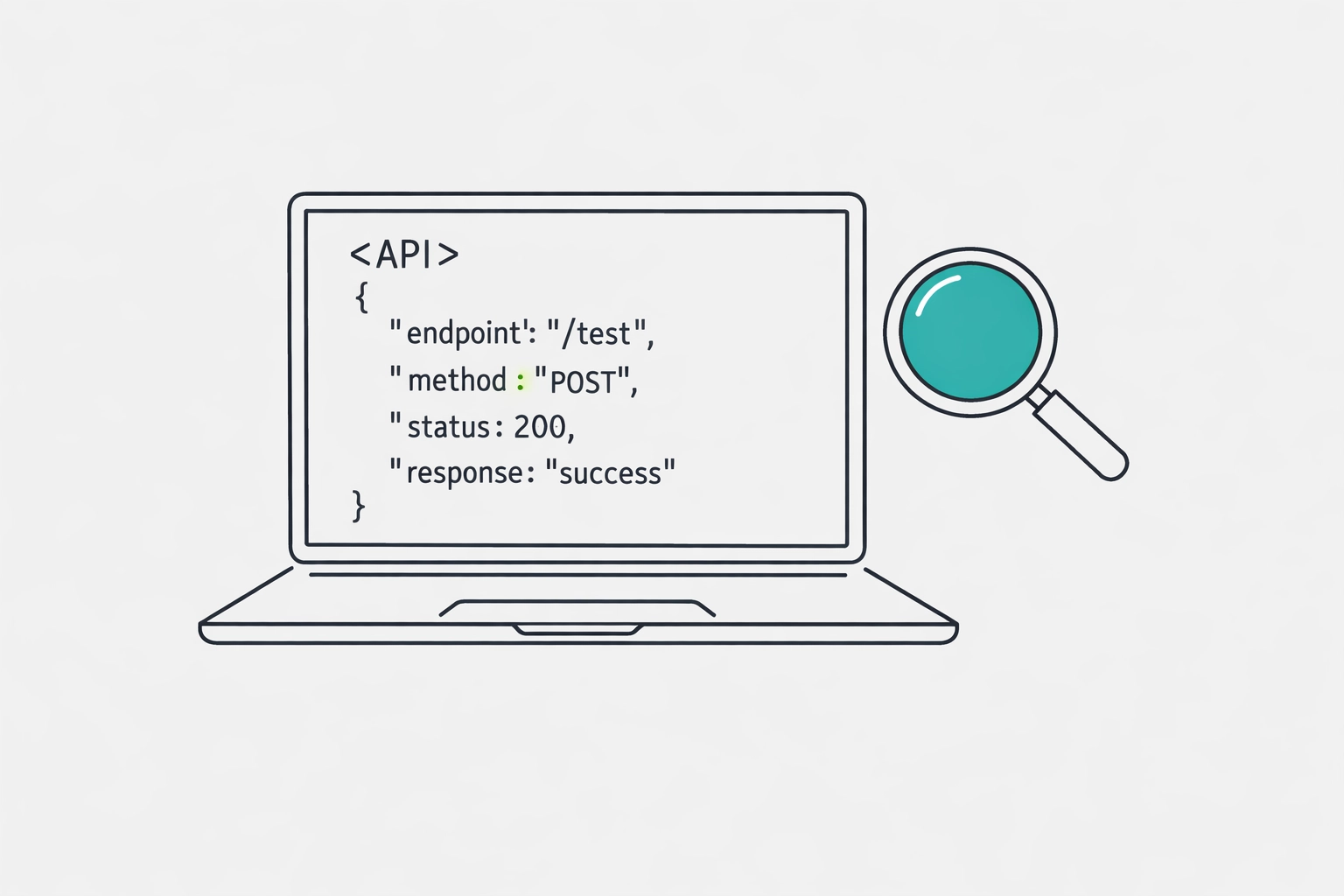
From a developer perspective, the API workflow typically involves two primary endpoints: the update request and the status retrieval. To initiate an update, you send a RequestAccountUpdate call containing the Merchant ID and the card details from your vault. While the system can handle up to 5,000 updates per batch, most developers find it more efficient to schedule daily syncs for any cards expiring within the next thirty days.
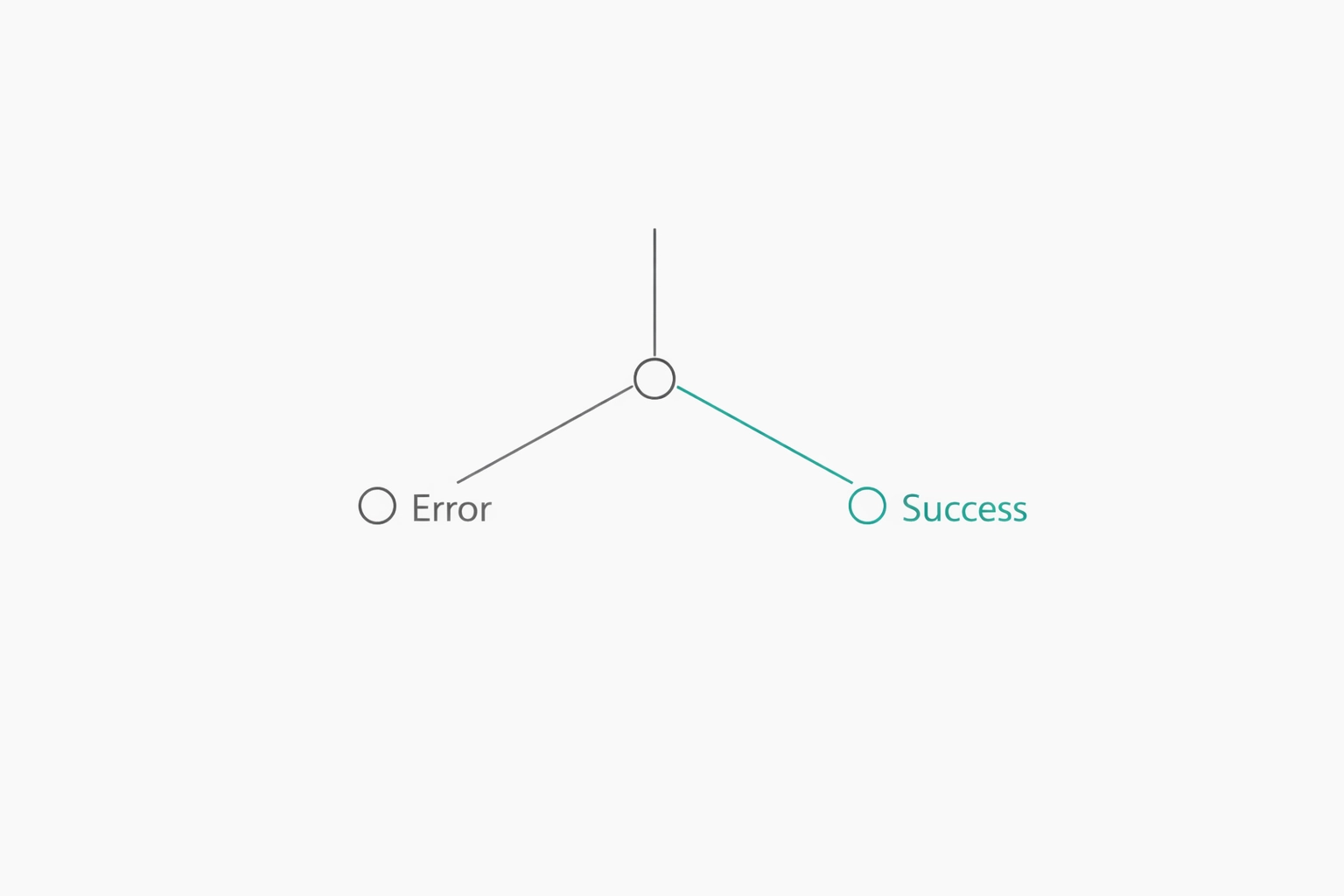
The response handling is where the logic becomes critical for your application. The system returns specific status codes that dictate your next programmatic move. A "Card Automatically Updated" response means you can proceed with billing. However, a "Closed Account" status indicates the customer has terminated their relationship with the bank entirely. In this scenario, your code should trigger an automated email sequence to the user or suspend the subscription service immediately to prevent revenue leakage.
Managing sensitive financial data requires strict adherence to pci compliance secure credit card storage protocols. When the Account Updater returns a new Primary Account Number (PAN), it must be handled within a secure environment. The Integrate Payments gateway manages the re-tokenization process so that your local servers never come into contact with raw, unencrypted card data.
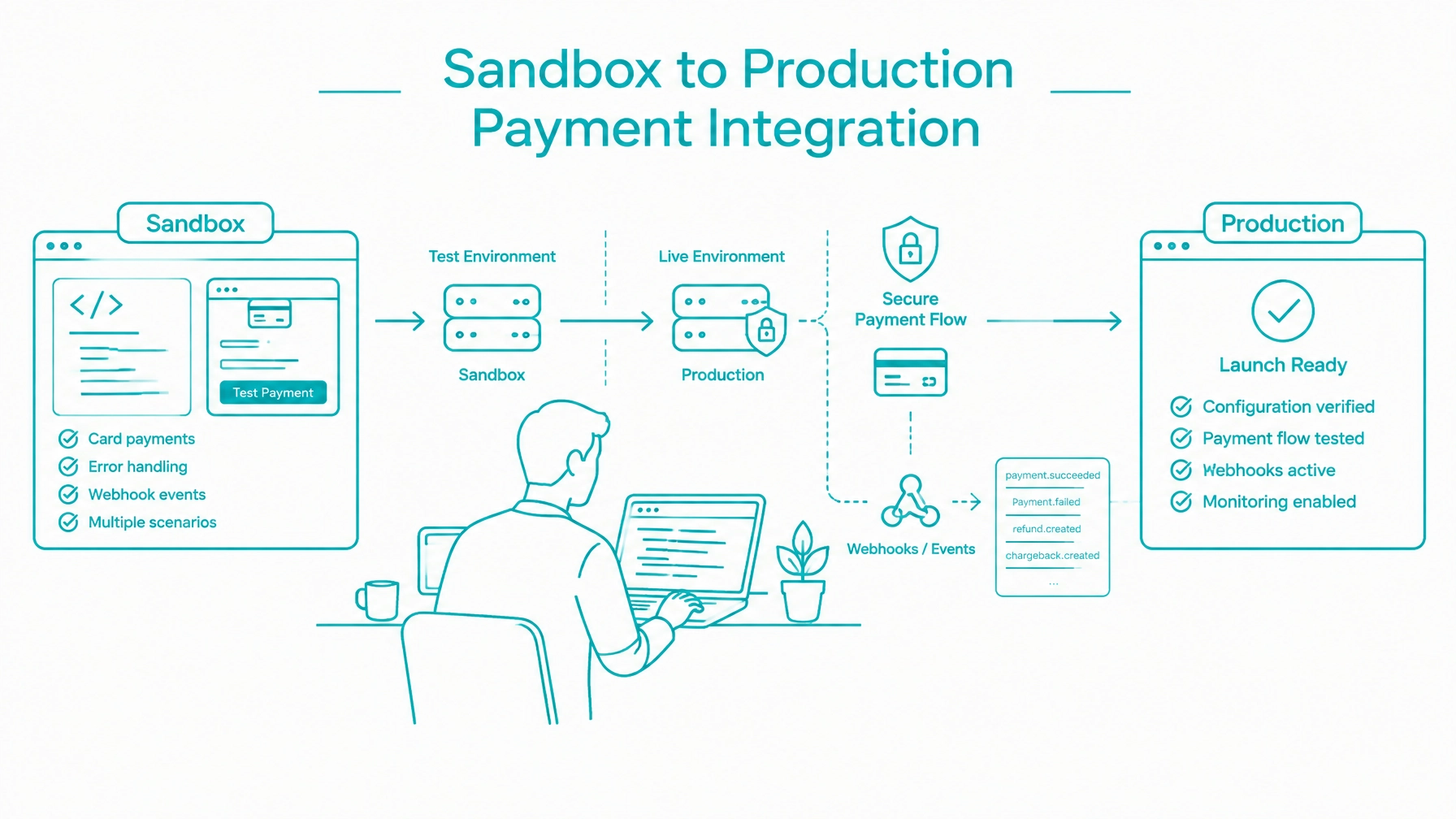
For developers who want to test these workflows before going live, utilizing the developer sandbox payment gateway api sdk is highly recommended. The sandbox environment allows you to simulate various updater responses, such as updated expiration dates or account closures. Testing ensures that your webhook listeners and database update logic are functioning correctly before processing live production traffic.
Real-time updates are an alternative to traditional batch processing. Some modern integrations allow for an "on-the-fly" update during a transaction attempt. If a payment is declined due to an expired card, the gateway can perform an instantaneous check with the card network. If an update is available, the transaction is retried with the new data in milliseconds. This reduces the time-to-settlement and minimizes the need for complex retry logic in your application code.
Beyond simple expiration dates, the credit card account updater also handles brand migrations. If a customer is issued a new Mastercard to replace an old Visa, the service updates the card brand metadata in your system. This level of automation is essential for maintaining an omnichannel payment platform integration where customer data may be used across multiple interfaces, including mobile apps and web storefronts.
Integrating an Automatic Account Updater is no longer an optional feature for serious SaaS and subscription businesses. It is a fundamental component of a modern payment stack. By automating the maintenance of stored payment credentials, you protect your recurring revenue streams and provide a frictionless experience for your customers.
The technical burden of manual data entry for customers is a high-friction event that leads to churn. By shifting that responsibility to a background API process, you optimize your conversion rates and lower the cost of customer retention. Implement the Account Updater today to solidify your billing infrastructure against the volatility of the card-issuing market.