


.png)




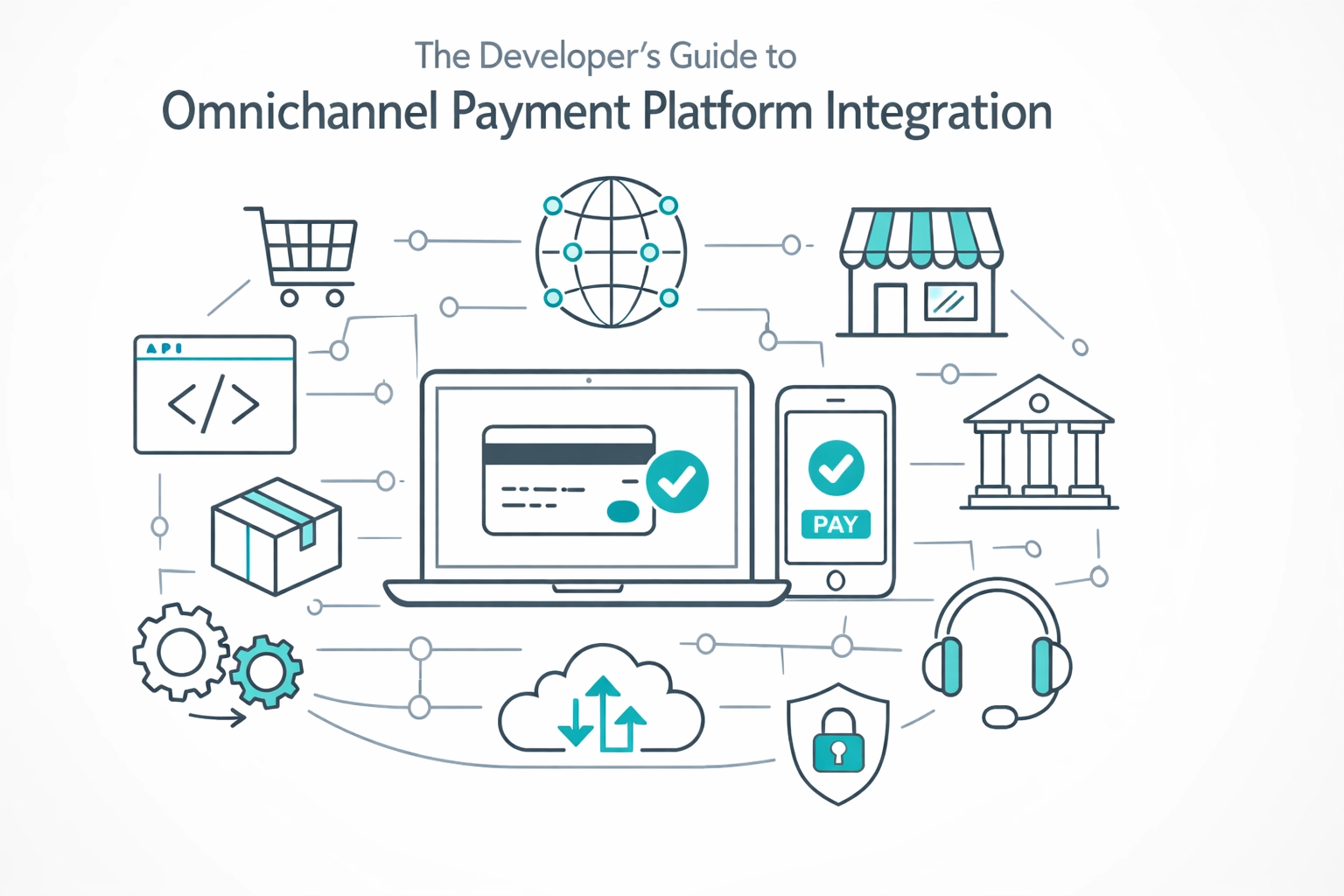
Modern commerce no longer exists in a vacuum. Merchants today require a unified approach that bridges the gap between digital storefronts and physical retail locations.
For developers, the challenge lies in creating a cohesive ecosystem where data flows seamlessly between online carts and countertop terminals. Fragmented systems lead to reconciliation errors and high operational overhead.
A robust payment platform integration allows a single source of truth for every transaction. This guide explores how to build an omnichannel environment that scales.
Traditional payment setups often utilize different gateways for web and retail. This fragmentation forces businesses to manage separate merchant accounts and reporting dashboards.
Omnichannel payment gateway integration simplifies this by consolidating all channels under one umbrella. One API manages the transaction flow regardless of the point of entry.
By unifying these channels, businesses gain a holistic view of customer behavior. A customer can buy online and return in-store without data friction.
The foundation of a modern omnichannel strategy is a single, flexible API. Developers should prioritize integrations that support both card-not-present (CNP) and card-present (CP) transactions.
Using a unified API ensures that your backend logic remains consistent across all platforms. Whether a request comes from a web checkout or a mobile app, the data structure stays identical.
Explore the Developer Sandbox Payment Gateway API to begin testing unified calls. Consistent documentation reduces development time and minimizes bugs.
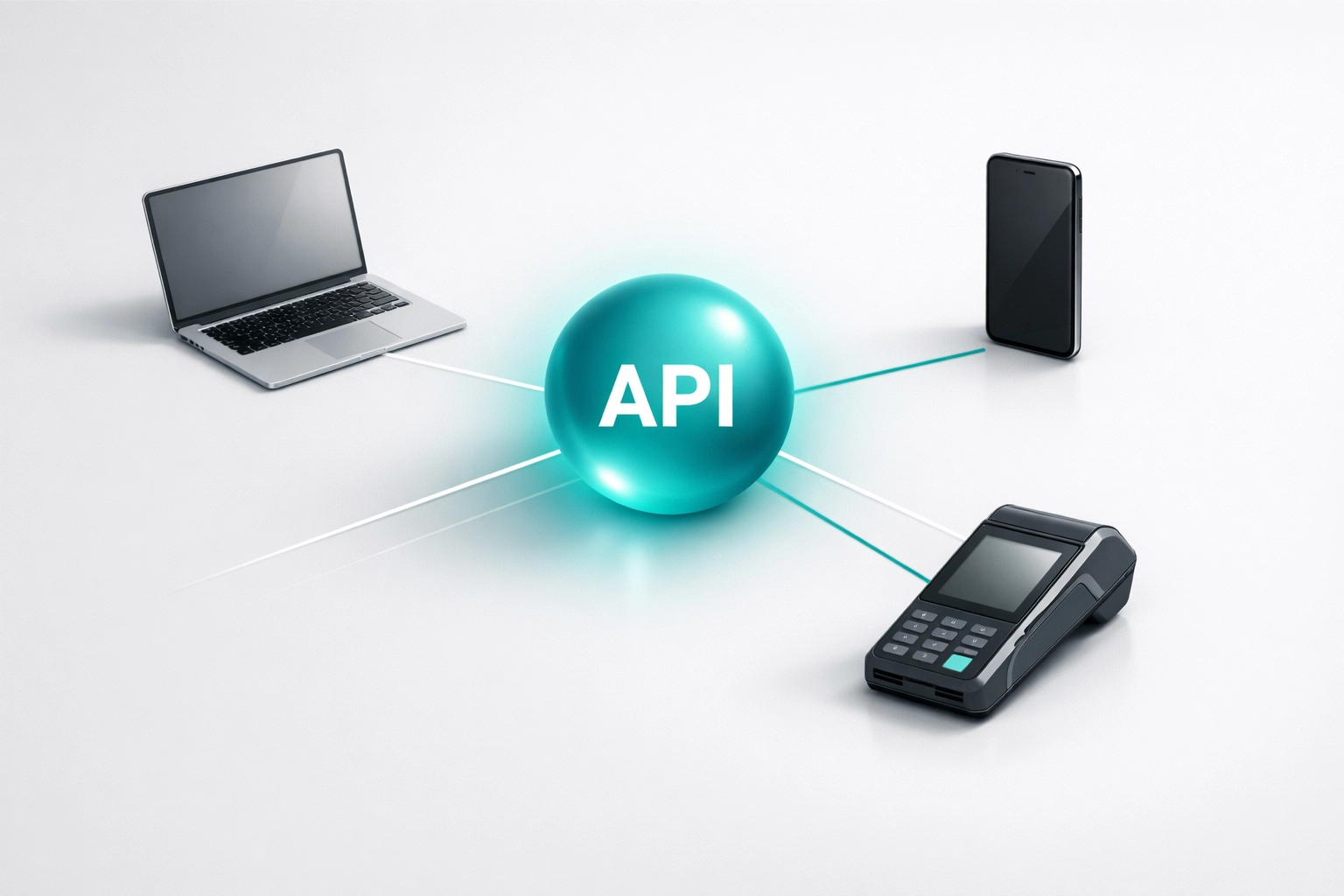
Centering the technical architecture around a single API allows for consistent data flow across all payment touchpoints.
Security is the primary concern for any payment platform integration. Managing sensitive card data manually increases the risk and the complexity of the PCI compliance SAQ.
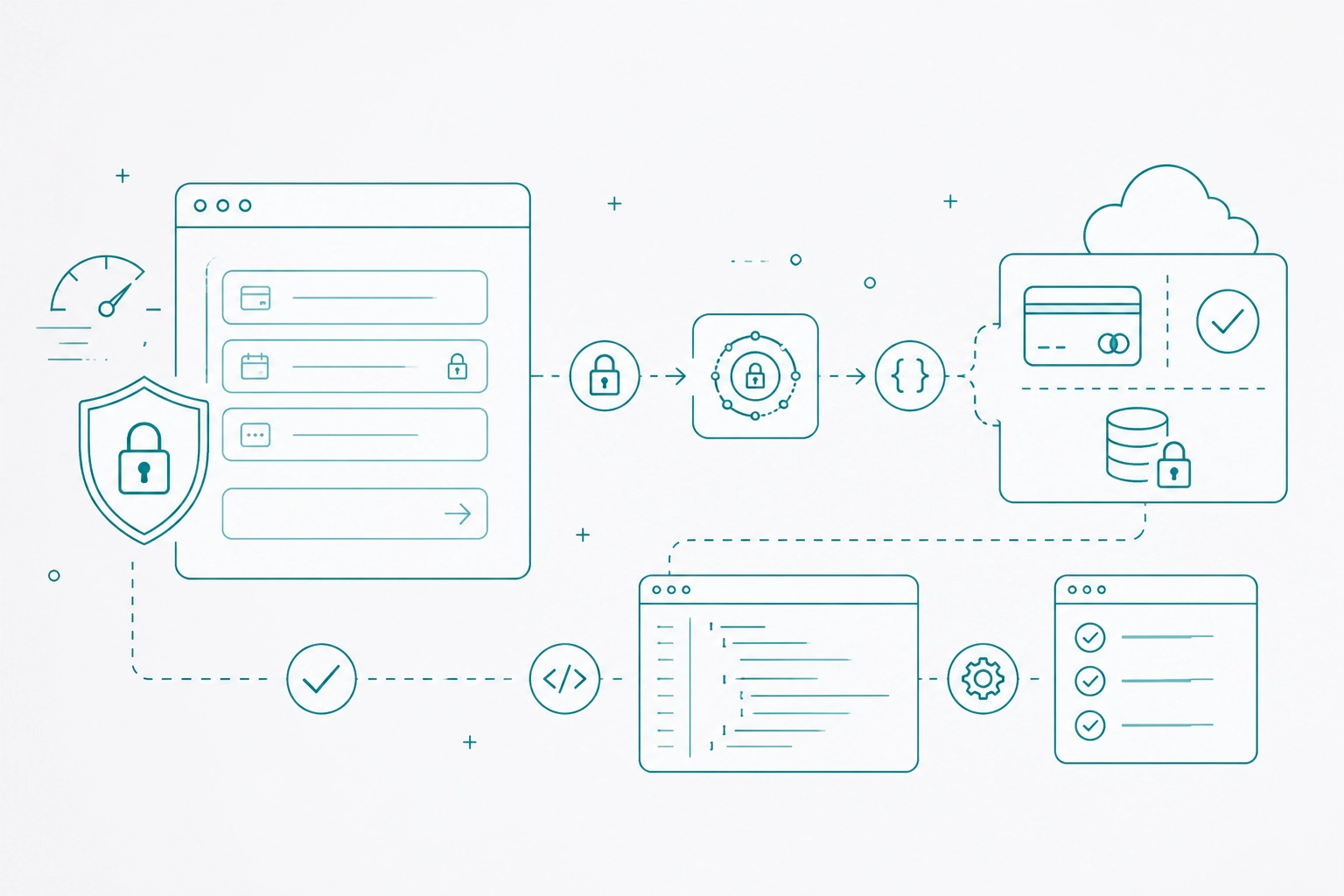
Integrate Payments provides tools like Collect.js to keep sensitive data off your servers. This JavaScript library tokenizes information directly in the browser, reducing your security burden.
For physical retail, using integrated terminals ensures card data is encrypted at the point of interaction. This end-to-end encryption limits the exposure of your local network to raw cardholder data.
Tokenization is the key to creating a frictionless customer experience. It allows you to store a secure "token" that represents a customer's payment method without storing the actual card number.
With a unified gateway, a token generated on your website can be used for a recurring billing subscription or a later in-person purchase. This creates a seamless "Card-on-File" experience.
For more advanced storage needs, the Customer Vault Secure Credit Card Info service provides a secure environment for long-term data retention. This is essential for SaaS businesses and subscription models.
Omnichannel doesn't stop at the browser. Developers must also integrate physical hardware like Ingenico EMV Payment Processing Terminals.
These devices connect directly to the gateway via semi-integrated or fully integrated protocols. This ensures that when a card is dipped or tapped, the transaction data syncs instantly with your cloud records.
Using a Point of Sale Terminal Equipment System that talks to your online API eliminates the need for manual end-of-day reconciliation. The software knows exactly which terminal processed which sale.
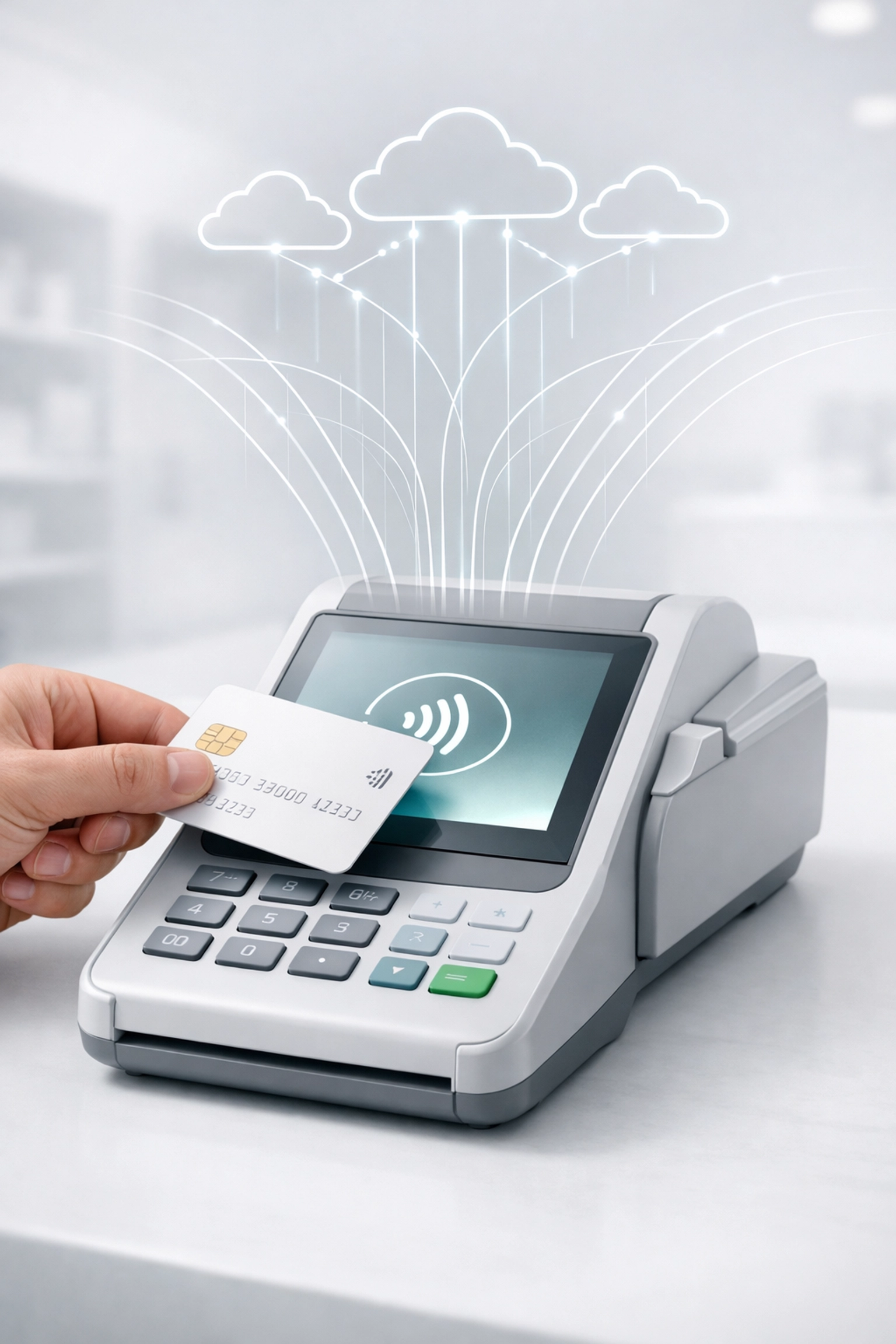
Integrated hardware ensures that physical transactions are recorded in the same database as digital sales for real-time accuracy.
One of the biggest pain points for merchants is fragmented reporting. Logging into three different portals to see daily totals is inefficient and prone to human error.
A successful payment gateway integration provides a centralized dashboard. Business owners can see web sales, mobile app transactions, and retail swipes in a single view.
Real-time data allows for immediate decision-making. If an item is trending online, the merchant can check retail inventory levels instantly through the unified platform.
Scalability requires automation. For SaaS platforms, integrating payments directly into the software allows for automated onboarding and instant monetization.
Retailers benefit from the ability to quickly add new locations or pop-up shops. Mobile solutions like Smart Phone Credit Card Processing allow for line-busting during peak hours.
As the business grows, the infrastructure remains the same. You simply add more endpoints to the existing API integration without rebuilding the core logic.
A payment platform is only as good as its developer tools. Robust SDKs and clear documentation are mandatory for a fast go-to-market strategy.
The Integrate Payments Gateway API is designed for high performance. It offers the flexibility needed for custom checkout flows while maintaining enterprise-grade security.
Testing in a sandbox environment is the first step. Verify transaction logic, refund flows, and webhooks before moving to a production environment.
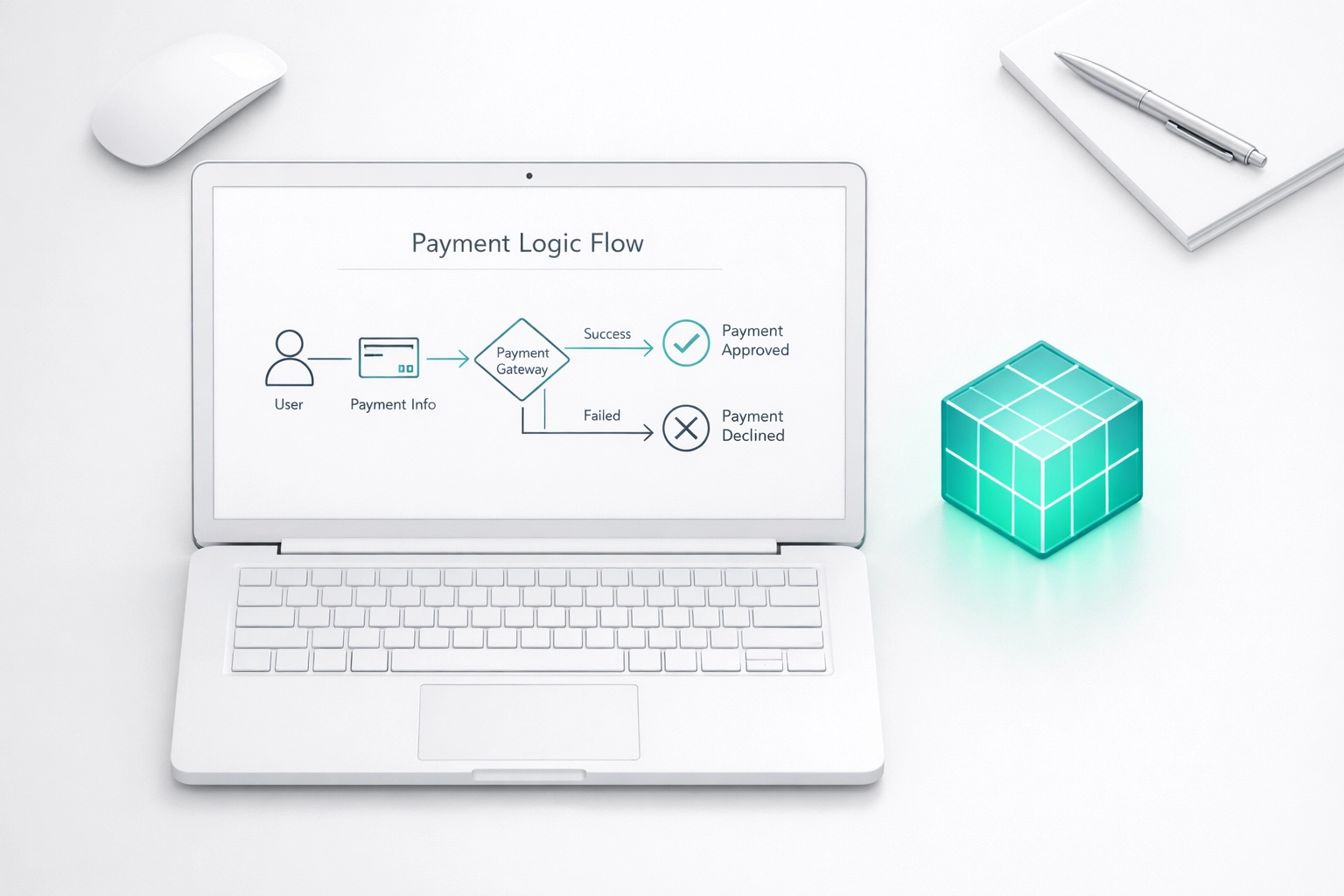
Utilizing a developer sandbox environment allows for rigorous testing of omnichannel logic before live deployment.
Omnichannel platforms often include built-in features to reduce churn and increase conversion. One such feature is the Automatic Credit Card Account Updater.
When a customer’s card expires, the system automatically retrieves the new card information from the issuing bank. This prevents failed payments for subscription services and repeat customers.
Additionally, merchants can implement a Payment Processing Cash Discount Program. This helps offset processing costs by offering a lower price to customers paying with cash or specific methods.
Certain industries require specific software configurations. For example, Restaurant Management Software Payment Integration needs to handle tips, split checks, and kitchen printing.
Other niches, like Inflatable Office Payment Integration, require specialized booking and scheduling logic. A unified gateway handles these complexities under a single merchant account.
By choosing a flexible payment platform integration, developers can build vertical-specific tools without worrying about the underlying financial rails. This focus allows for better product-market fit.
The payments landscape is constantly evolving. New methods like Apple Pay, Google Pay, and BNPL (Buy Now, Pay Later) are now expected by consumers.
An omnichannel API should support these methods natively. This ensures that as consumer preferences shift, your integration doesn't become obsolete.
By consolidating online and offline payments today, you build a foundation that can handle whatever comes next in the fintech space. The goal is a frictionless, secure, and highly scalable payment environment.
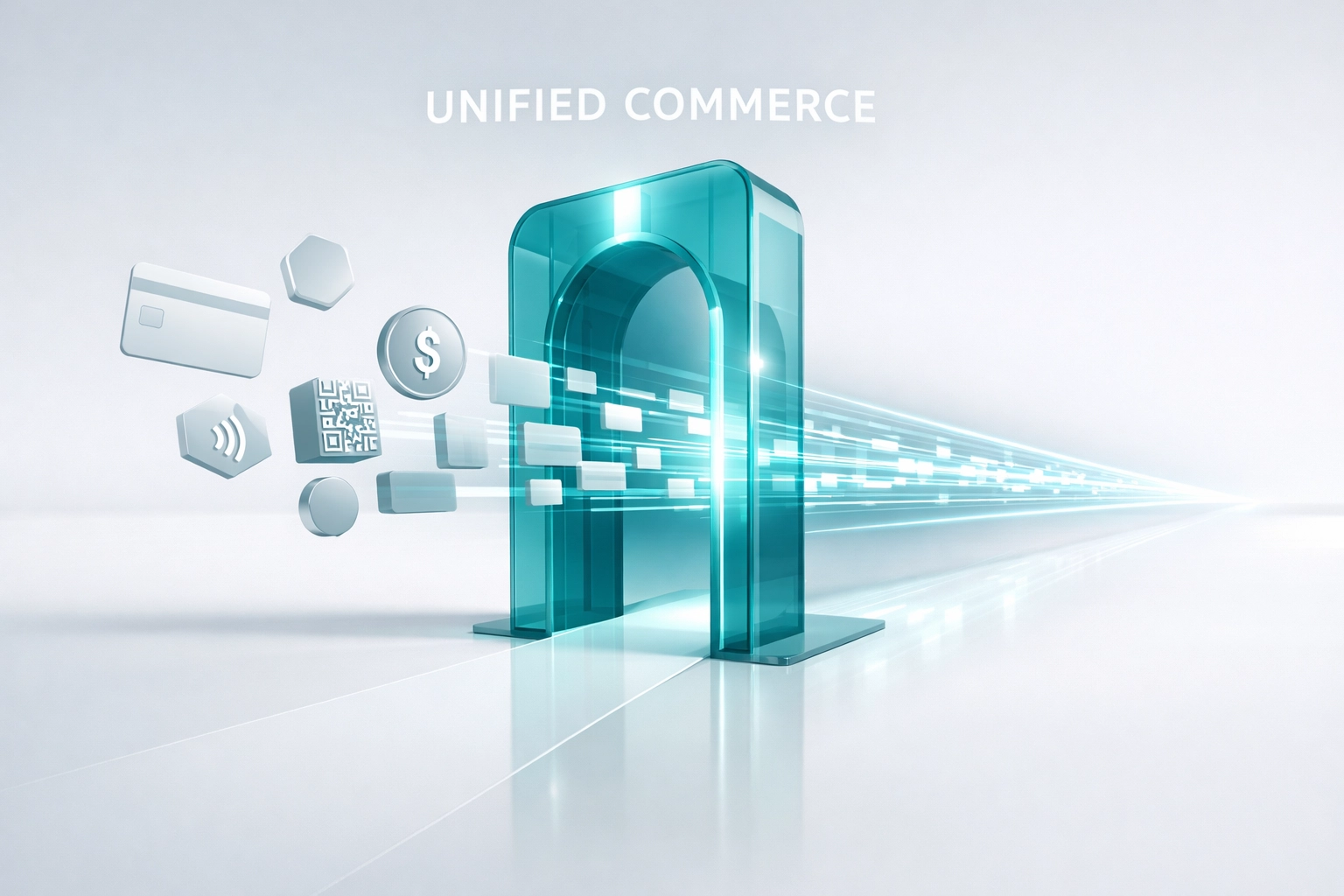
Unified commerce platforms are designed to adapt to new payment methods and evolving consumer expectations without requiring a total rebuild.
Before finalizing your payment platform integration, review your PCI compliance SAQ requirements. Ensure your architecture minimizes the presence of clear-text card data in your environment.
Double-check your webhook configurations. Reliable notifications are essential for updating order statuses and triggering fulfillment workflows across all channels.
Finally, prioritize support. Working with a partner like Integrate Payments ensures you have technical assistance when navigating complex integration scenarios.