


.png)




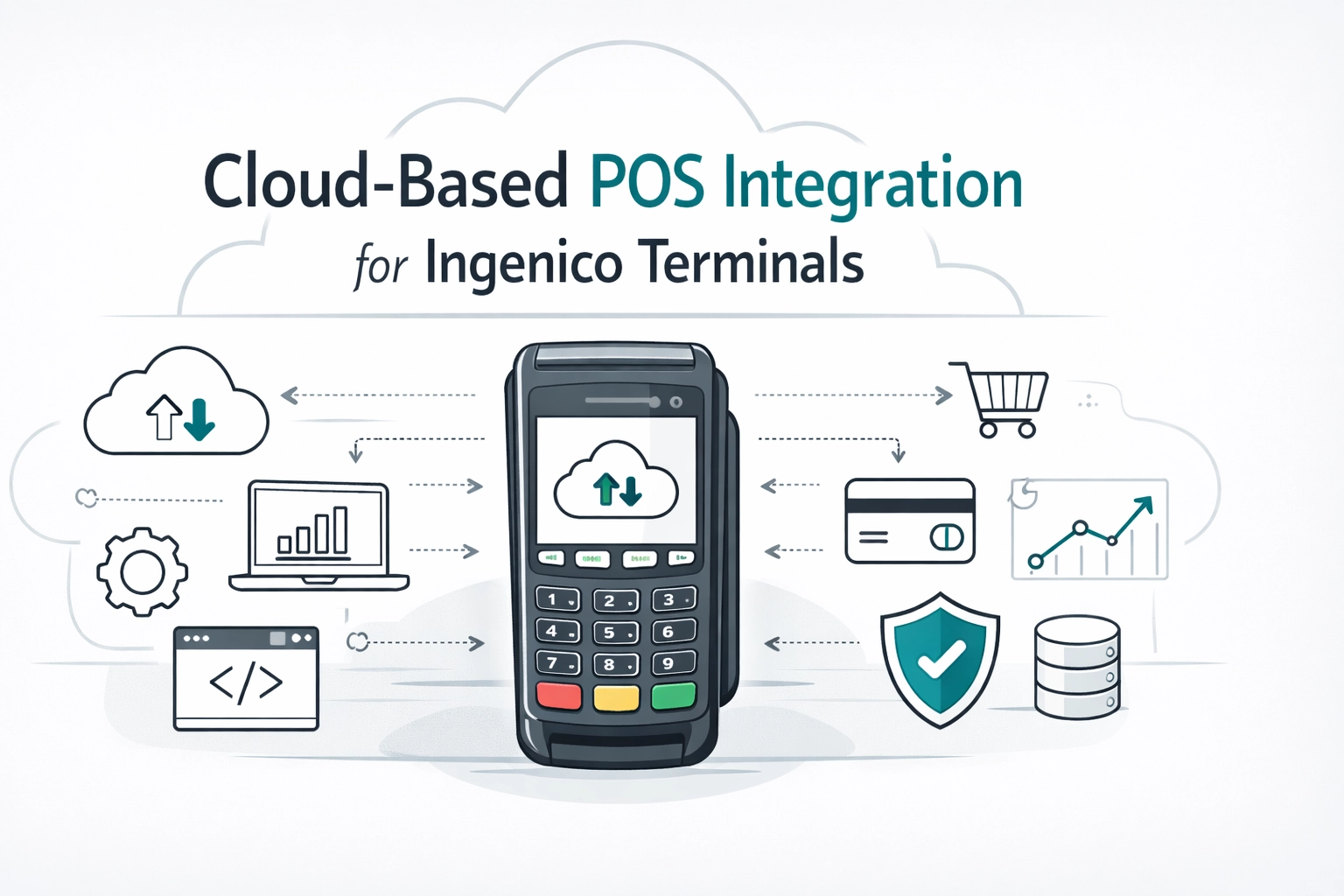
Legacy payment integrations often rely on complex local drivers and physical tethering. These traditional methods create significant friction for developers and IT staff. Modern commerce requires a more flexible approach to hardware communication.
Integrate Payments provides a Customer-Present Cloud API designed to eliminate these bottlenecks. By shifting the integration logic from the local machine to the cloud, businesses can deploy hardware faster. This architecture supports a truly scalable point-of-sale environment.
Traditional integrations require specialized SDKs for different operating systems. These often conflict with browser security policies or local firewalls. A cloud-based approach bypasses these local obstacles entirely.
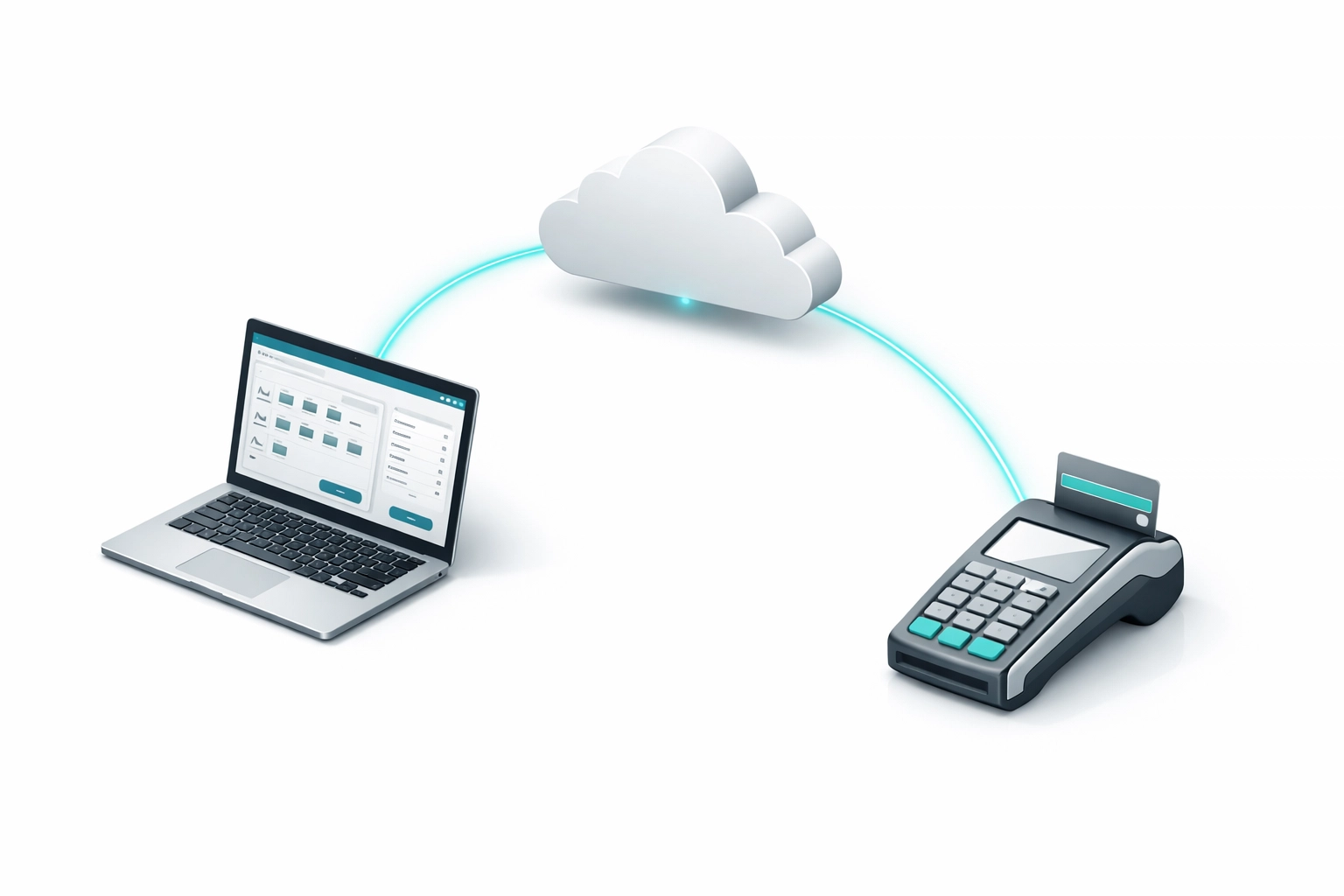
The move toward cloud-based POS integration represents a fundamental shift in fintech architecture. Instead of the POS talking directly to a USB or Serial port, it communicates with a secure endpoint. This endpoint then routes commands to the specific Ingenico terminal identified on the network.
This method ensures that your software remains decoupled from the physical hardware. If a terminal needs to be replaced, no software reconfiguration is required on the local workstation. The new device is simply registered to the cloud account.
Integrate Payments facilitates this transition by providing a unified API. This API handles the heavy lifting of device communication protocols and encryption. Developers can focus on the user experience rather than troubleshooting COM ports or driver versions.
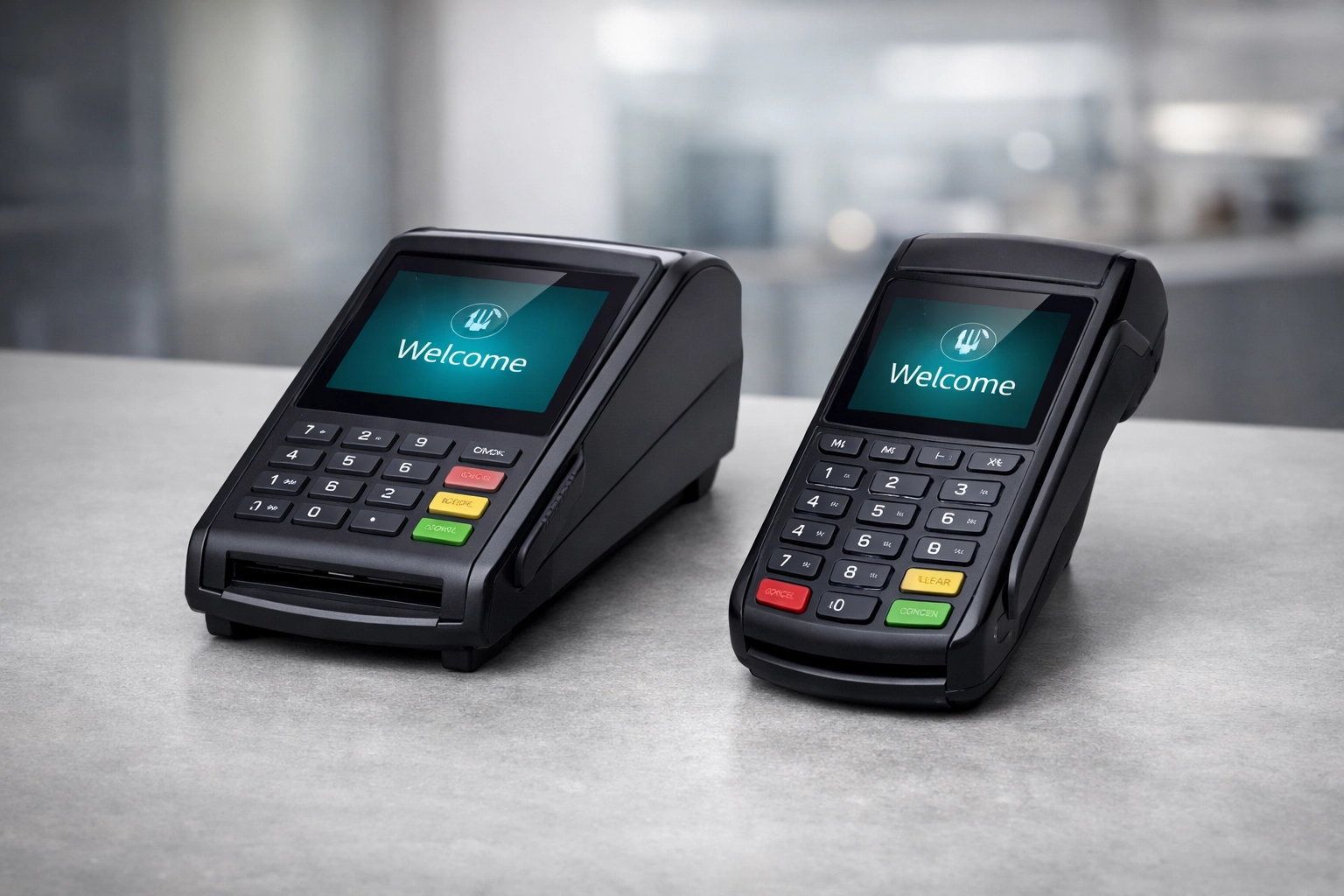
Our cloud integration supports the most reliable models in the Ingenico lineup. This includes the Lane 3000, Lane 5000, and the portable Move 5000 series. Each device is engineered for high-volume environments and secure data capture.
Connectivity is the backbone of the cloud-based model. Terminals can connect to the Integrate Payments gateway via standard Ethernet or Wi-Fi. This flexibility allows for both fixed countertop installations and mobile line-busting configurations.
By utilizing standard networking protocols, these terminals act as independent "IoT" devices. They do not require a host computer to function. This allows for a minimalist checkout counter free of excessive cabling and peripheral hardware.
You can view our full range of compatible hardware on our point of sale terminal equipment systems page. Selecting the right hardware is the first step toward a driverless integration.
The primary advantage of the Integrate Payments Cloud API is simplicity. We have refined the deployment process into a three-step "Plug, Register, Play" workflow. This ensures that even non-technical staff can set up a new payment point in minutes.
First, the merchant connects the Ingenico terminal to the internet via an Ethernet cable or Wi-Fi network. The device automatically establishes a secure outbound heartbeat to our cloud servers. There is no need for complex port forwarding or static IP assignments.
Next, the terminal generates a unique 6-digit registration code on its display. The administrator enters this code into the Integrate Payments dashboard or via a registration API endpoint. This process securely pairs the hardware with the specific merchant account.
Finally, the system returns a permanent poiDeviceId. This ID is the only piece of information your POS software needs to trigger a transaction. Once the link is established, the device is ready to accept EMV, contactless, and magstripe payments immediately.
Initiating a payment is a straightforward POST request to our cloud endpoint. Your software sends the transaction amount, currency, and the poiDeviceId. The cloud API then wakes up the terminal and prompts the customer for their card.
Developers can choose between two primary transaction modes: Synchronous and Asynchronous. Synchronous calls keep the connection open until the customer completes the transaction or a timeout occurs. This is ideal for simple, single-threaded applications.
Asynchronous transactions allow your software to remain responsive while the payment is processed. The API acknowledges the request and then sends a webhook or allows polling for the final status. This is the preferred method for robust, modern web applications.
This flexibility allows for integration into various platforms, including restaurant management software. No matter the vertical, the API remains consistent and reliable.
The most significant benefit of this architecture is the total elimination of local drivers. In a traditional setup, a Windows update or a browser change could break the payment integration. Cloud-based systems are immune to these local environment variables.
IT teams no longer need to visit individual workstations to install "helper" applications or browser extensions. This reduces the total cost of ownership for large-scale deployments. It also simplifies the support burden for software providers.
Security is also enhanced because the POS software never touches sensitive card data. The Ingenico terminal encrypts the data at the point of interaction (P2PE). This encrypted payload is sent directly to the Integrate Payments gateway.
For developers, this means a significantly reduced scope for PCI compliance. You can learn more about how we protect sensitive data on our PCI compliance and secure credit card storage page.
Software developers looking to scale their platforms find the Cloud API invaluable. It allows for centralized management of thousands of devices across different physical locations. You can check device status, firmware versions, and connection health from a single dashboard.
For organizations acting as resellers, this technology provides a competitive edge. It allows for a "drop-ship" model where terminals are sent directly to the merchant. The merchant follows the "Plug, Register, Play" steps without needing on-site technical support.
Our payment processing software reseller ISO program is designed for partners who want to leverage these tools. We provide the infrastructure so you can focus on building your brand and acquiring customers.
The developer experience is further supported by our developer sandbox payment gateway API. This allows you to simulate cloud transactions and hardware registration before going live with physical equipment.
Transitioning to a cloud-based POS integration for Ingenico terminals is a strategic move. It replaces fragile, cable-dependent systems with a robust, internet-native solution. The result is a more reliable payment experience for both the merchant and the end consumer.
Integrate Payments provides all the necessary tools to implement this workflow. From high-performance hardware to a comprehensive cloud API, we bridge the gap between software and hardware. This ensures your integration is future-proof and ready for scale.
If you are ready to streamline your payment environment, our team is here to assist. We can help you select the right Ingenico terminals and provide the API documentation needed to get started. Empower your platform with the efficiency of cloud-based processing today.